

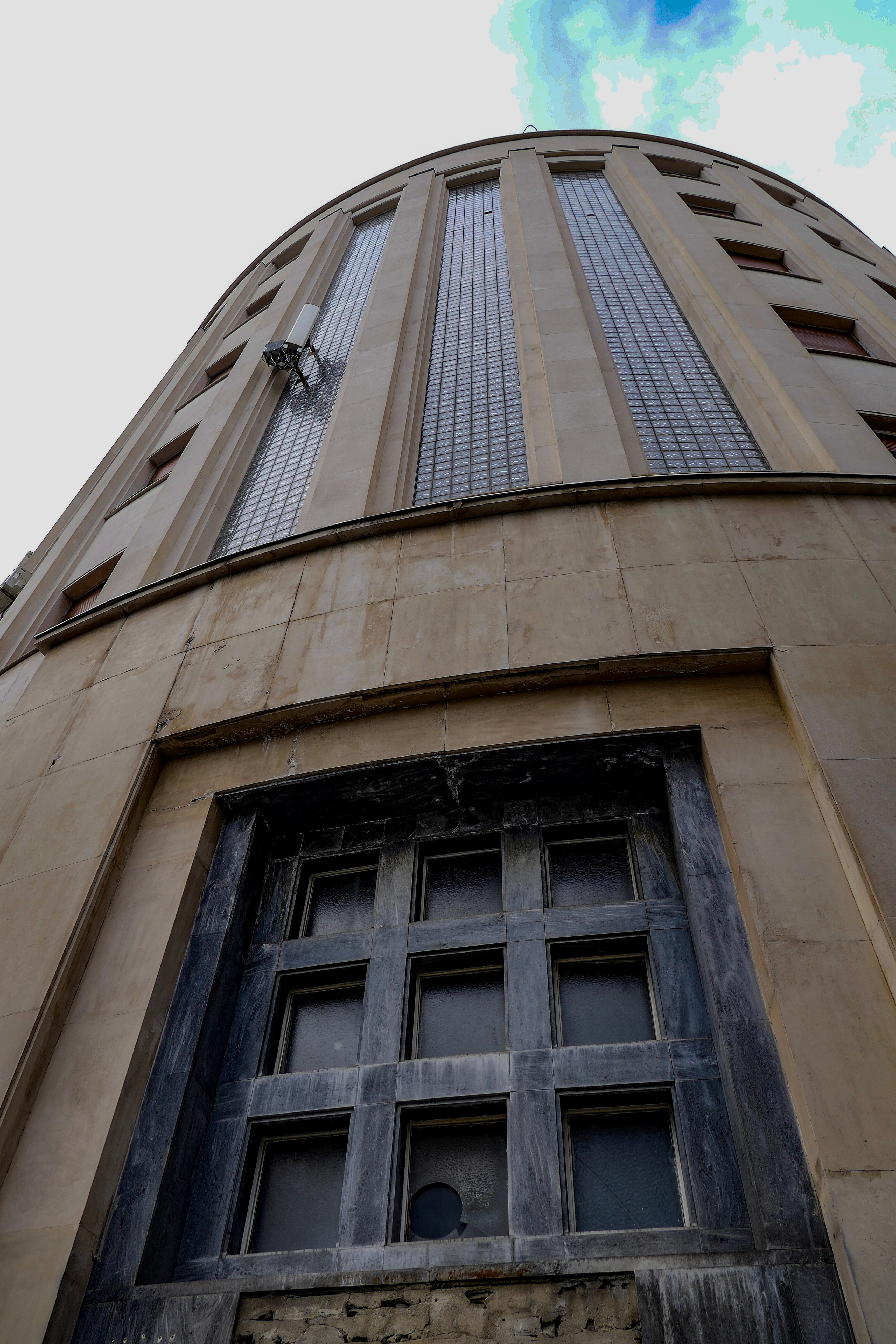
Bogdan Nestorović was the son of the one of the most prolific Serbian arhcitects, Nikola Nestorović. He prusued his architectural education in Paris in 1920s where he developed a penchant for Art Deco (more precisely Streamline Modern) which characterised his two most monumental buildings: the Craftsmen’s Hall (aka Radio Beograd) and PRIZAD (aka Tanjug).
Both buildings have a very intriguing history worth dedicating separate articles to (I will, probably): the former has interesting masonic connections and housed one of the city’s first purpose-built cinemas (Avala – you can see where the ticket office was from Hilandarska), while the latter was the HQ of the Yugoslav heroin monopoly and later served as a Gestapo prison (my friend’s grandad escaped it by being very charming with one of the secretaries) and then housed UDBA.
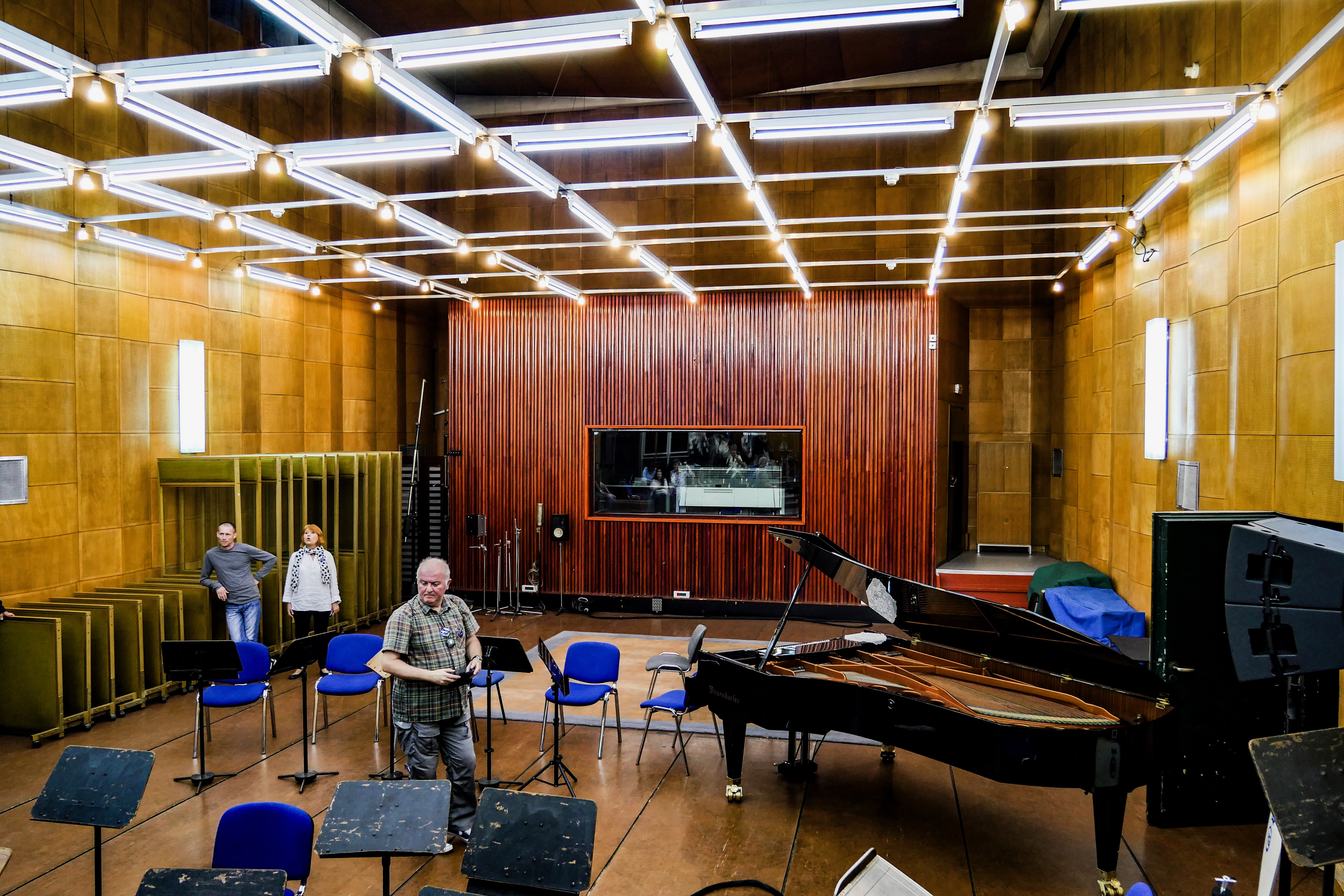
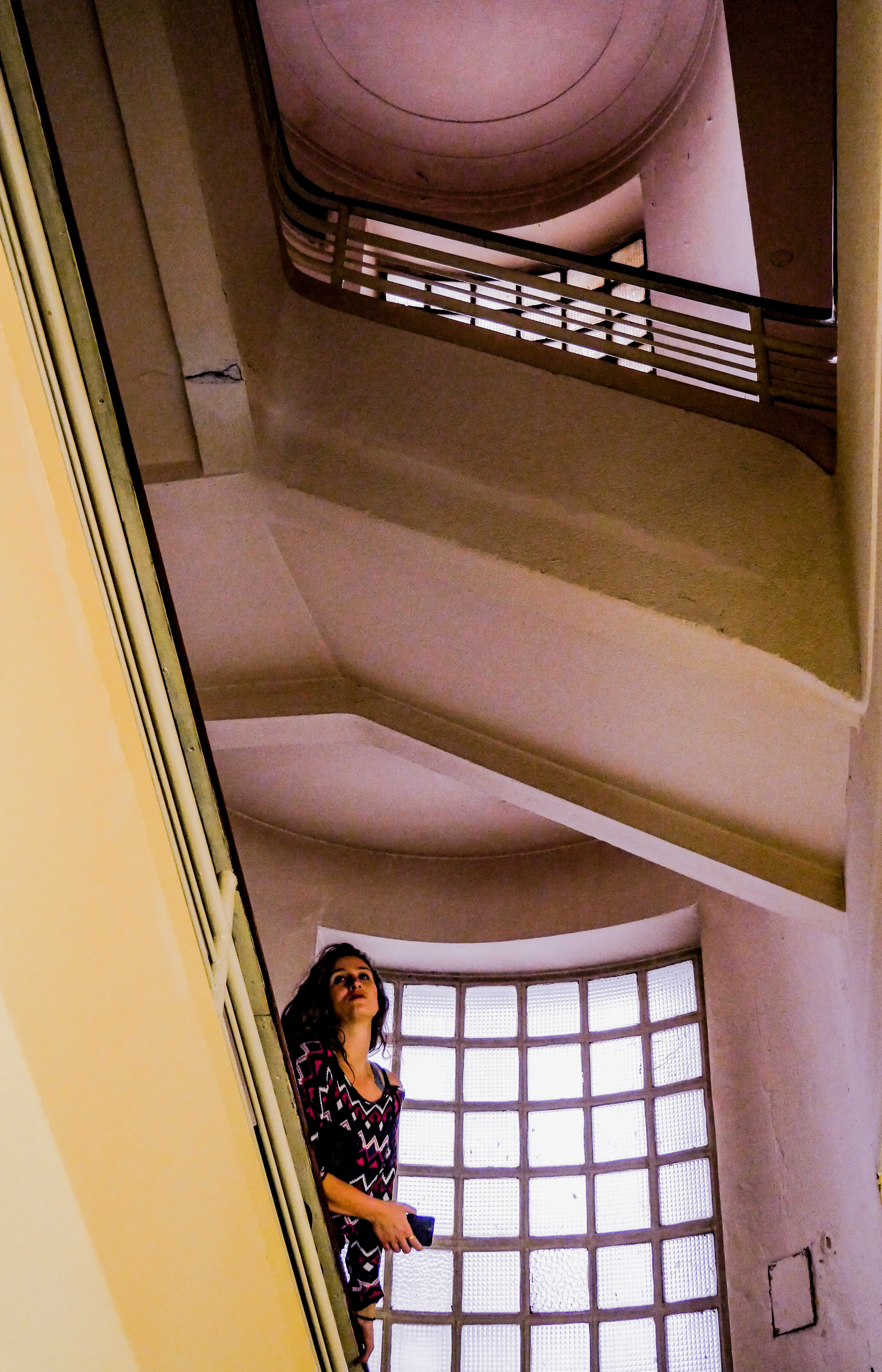
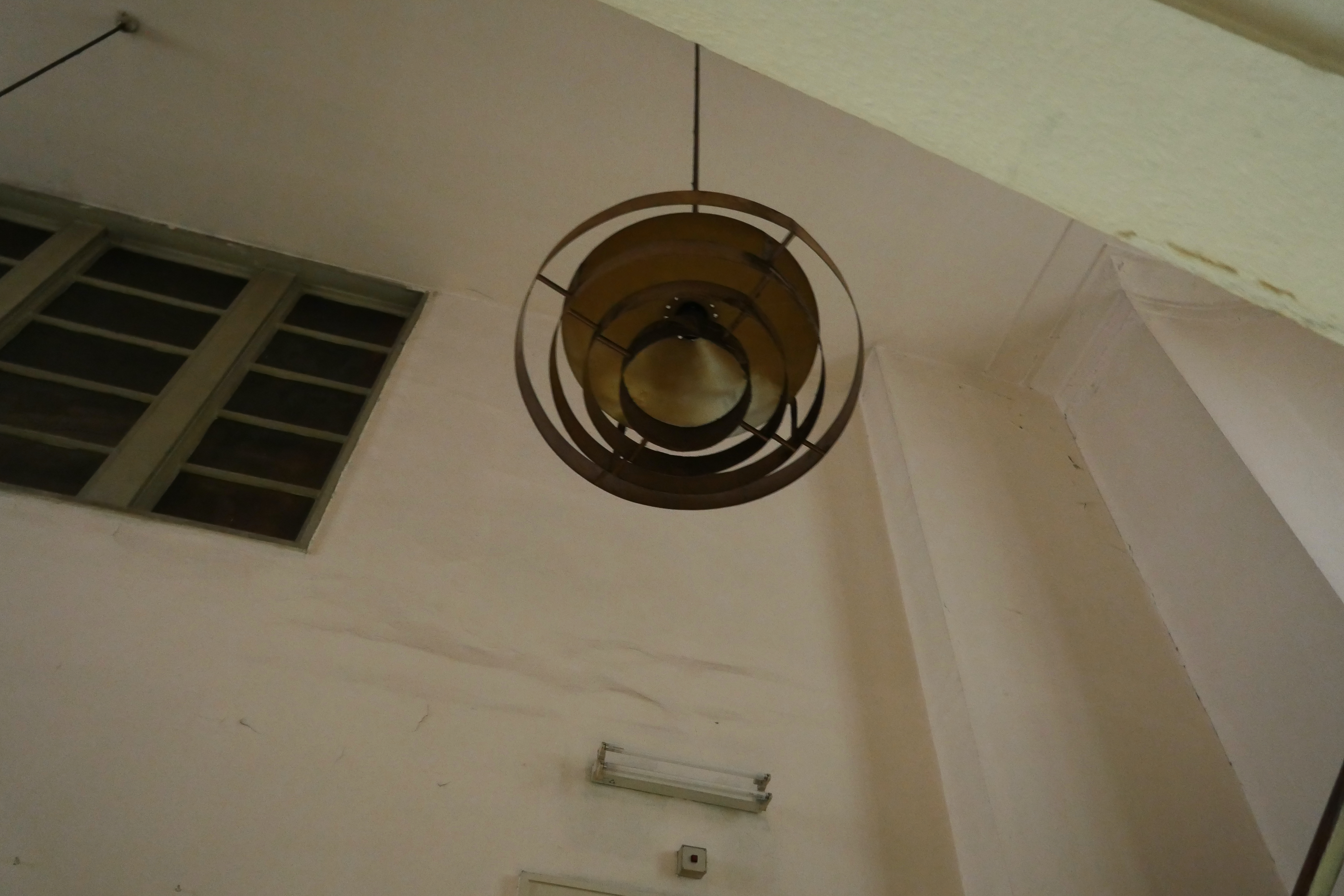
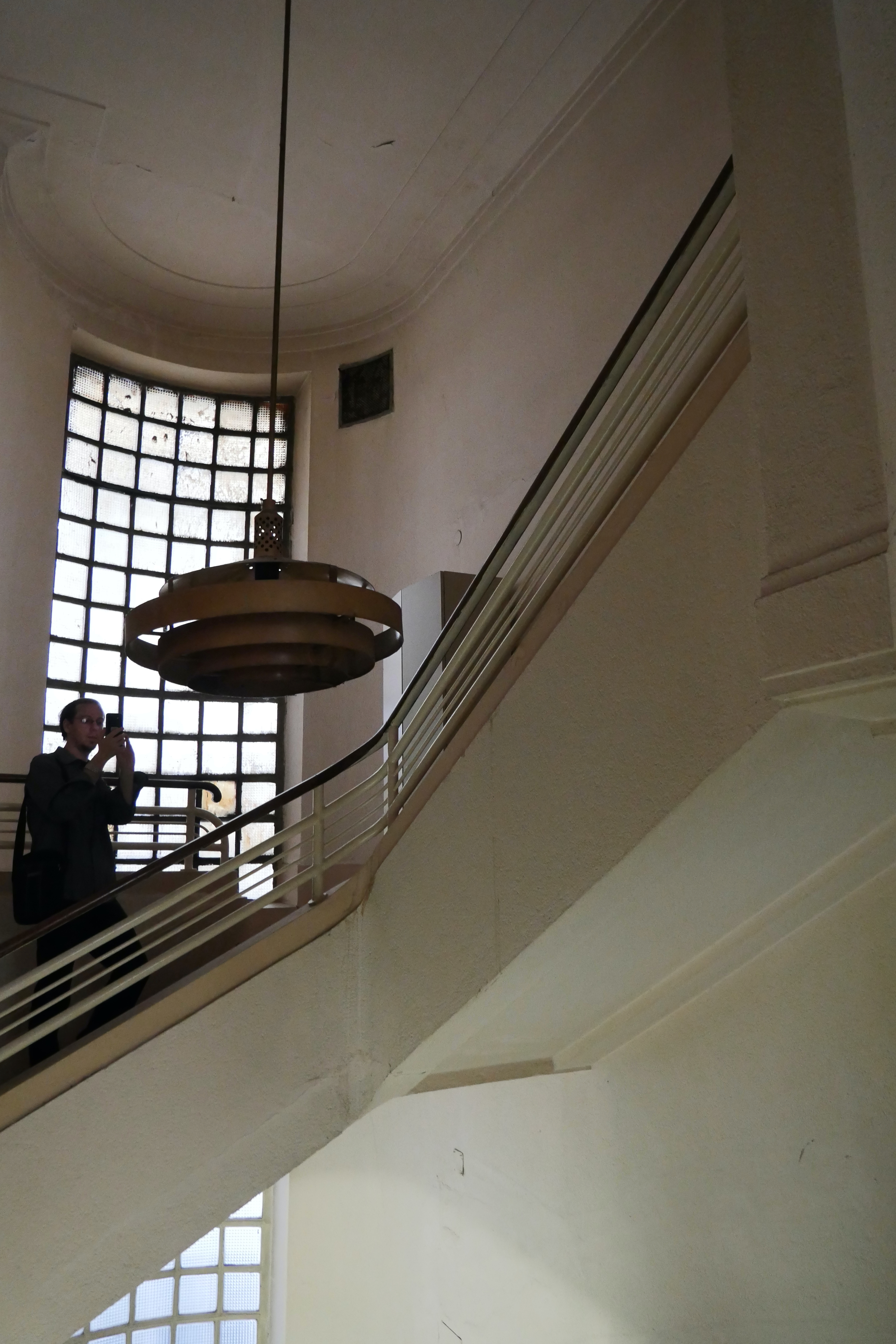
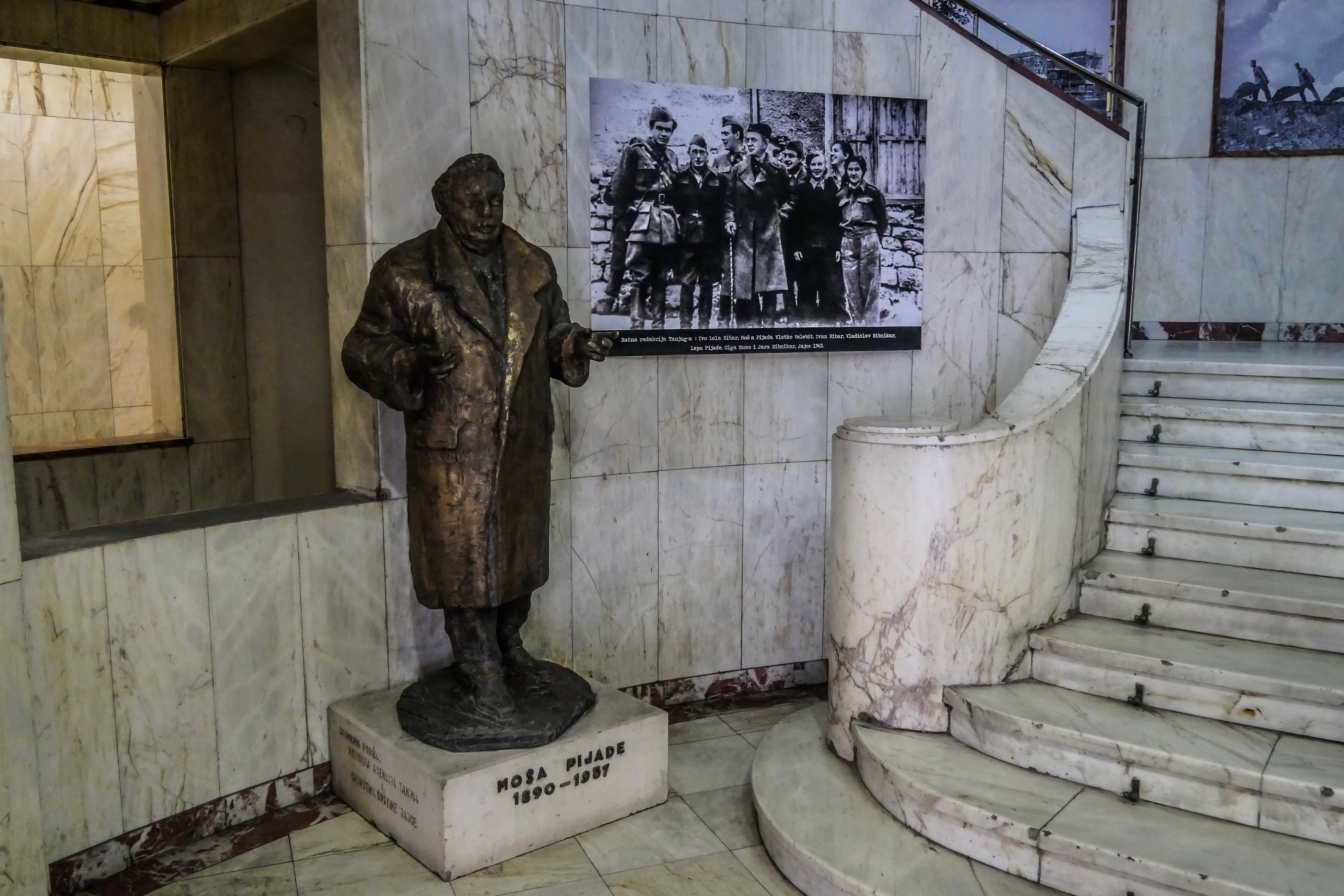
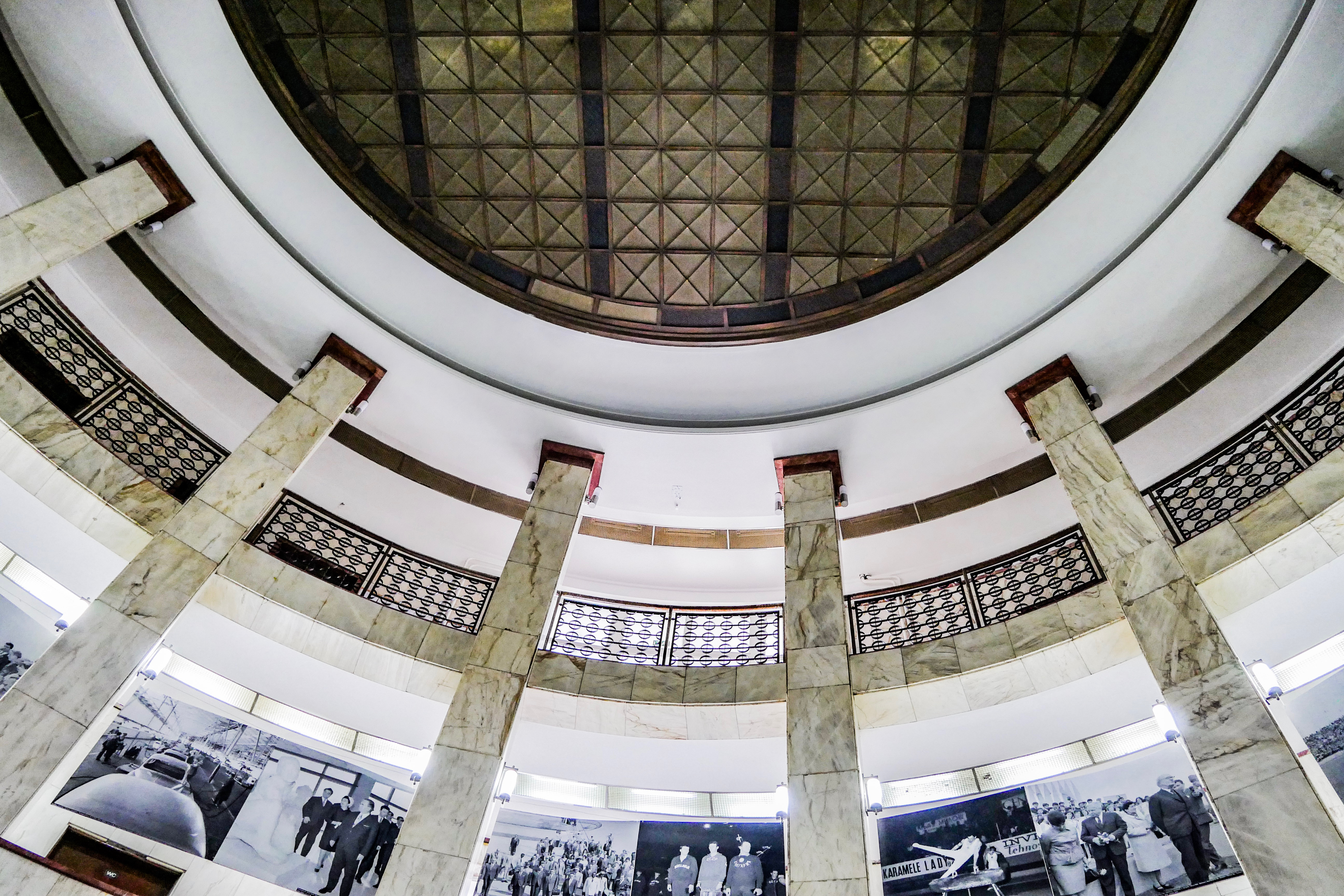
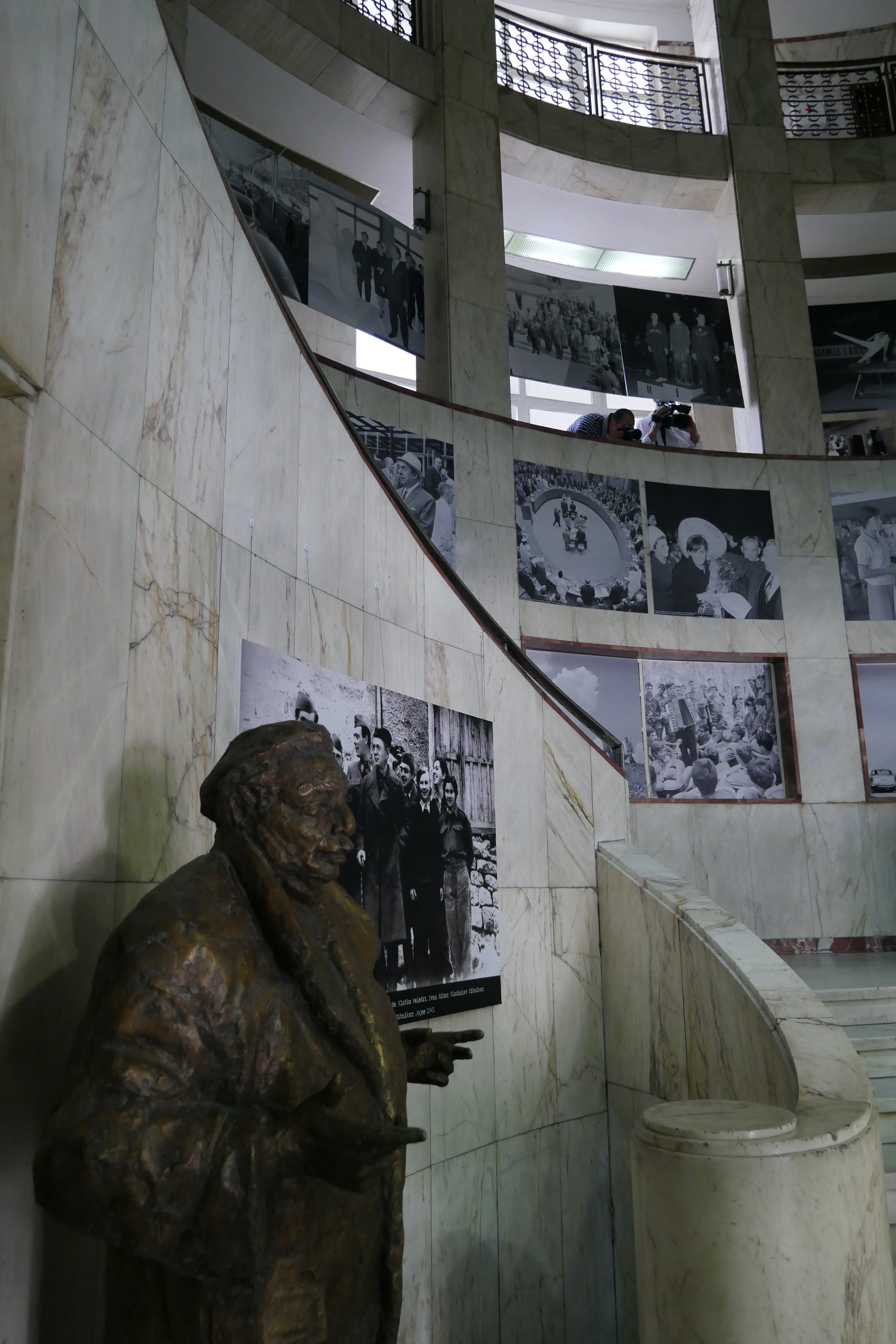
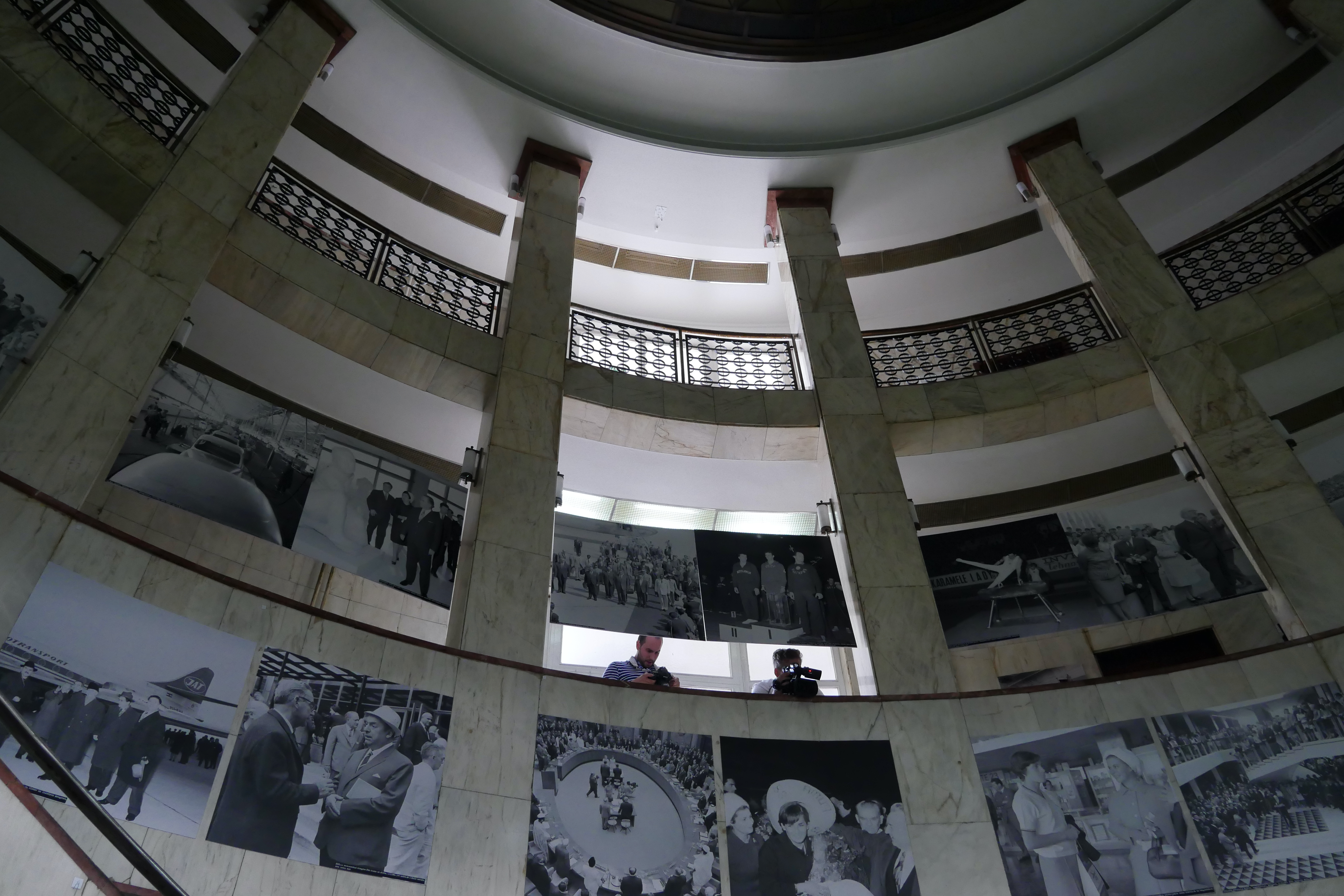
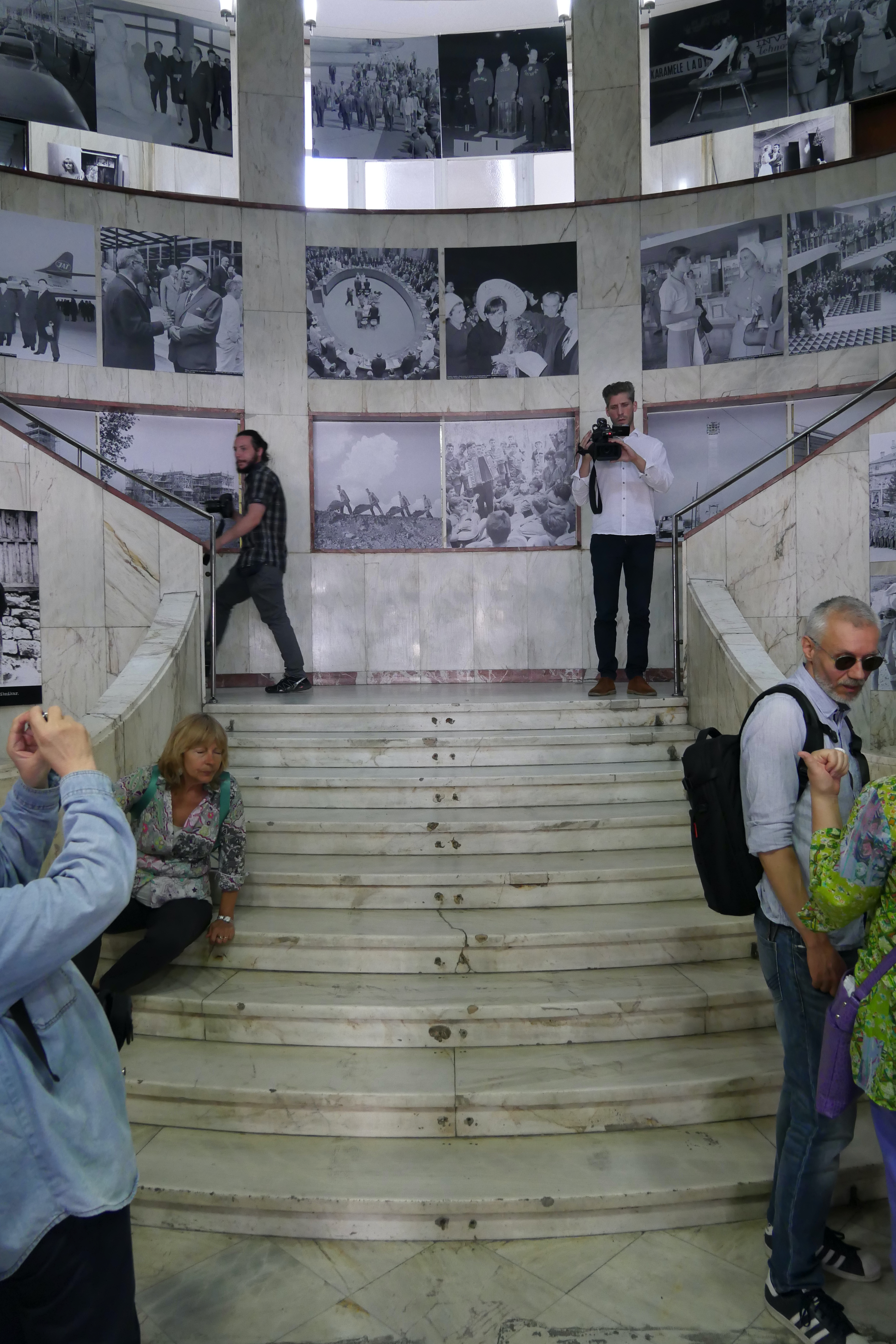
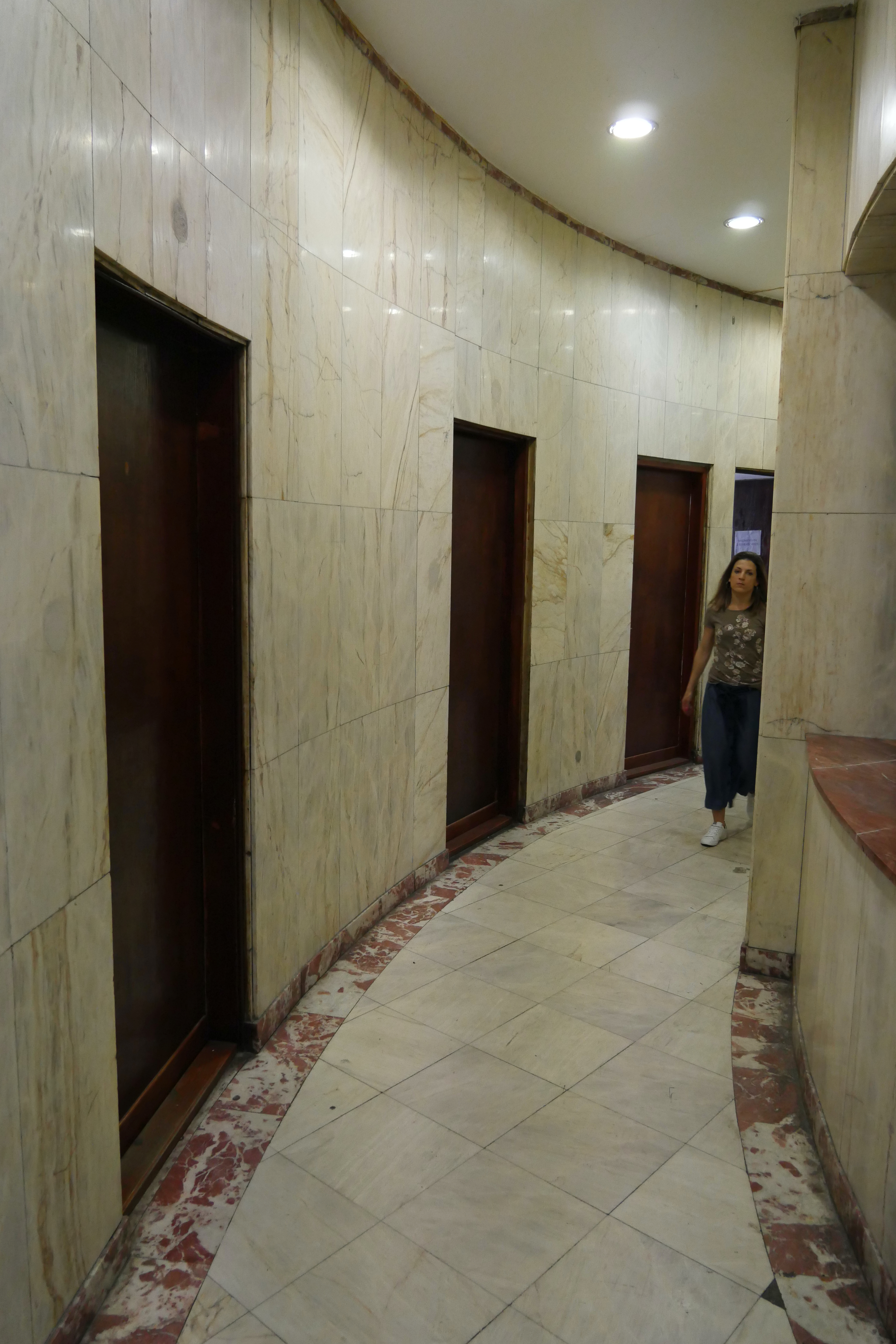
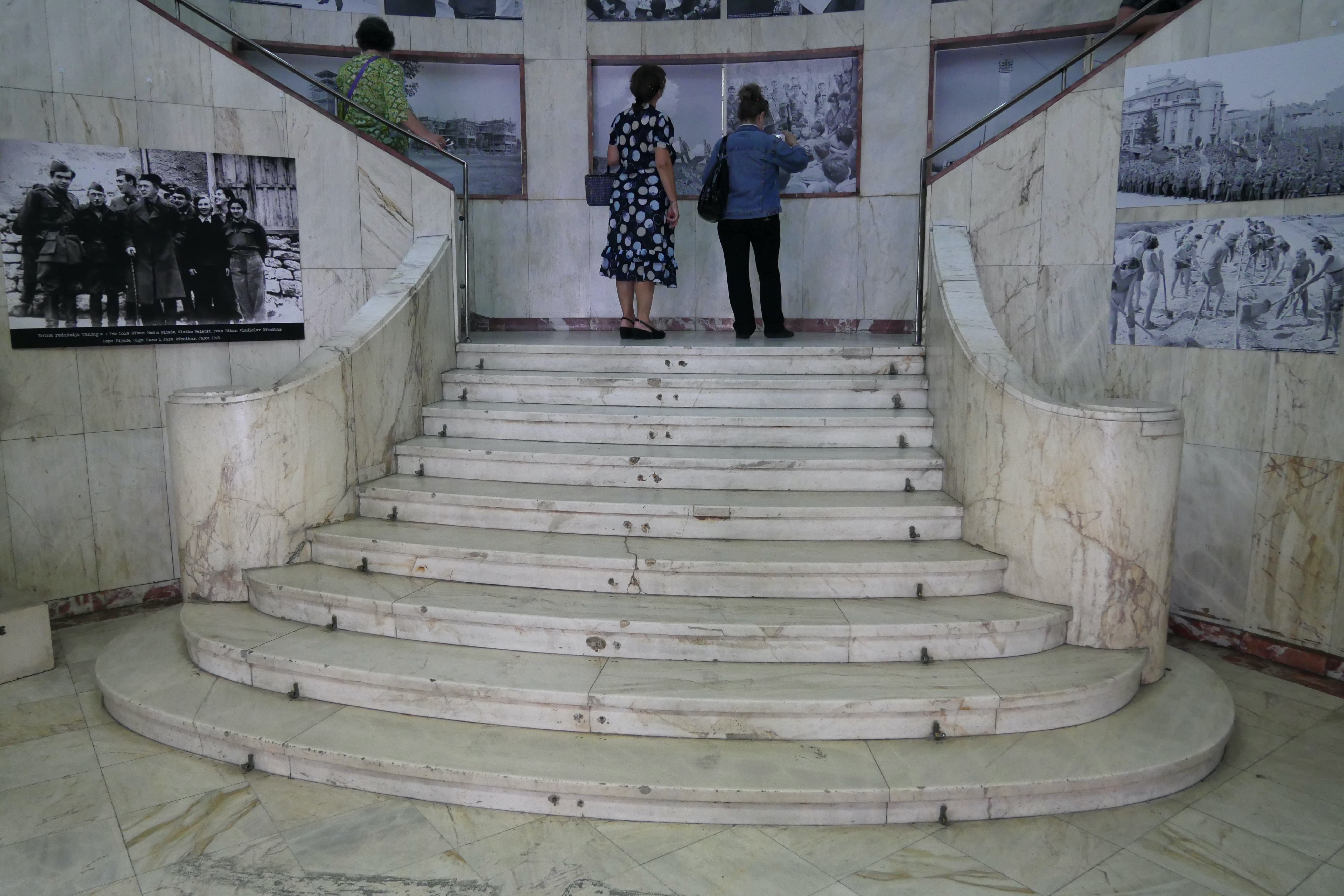
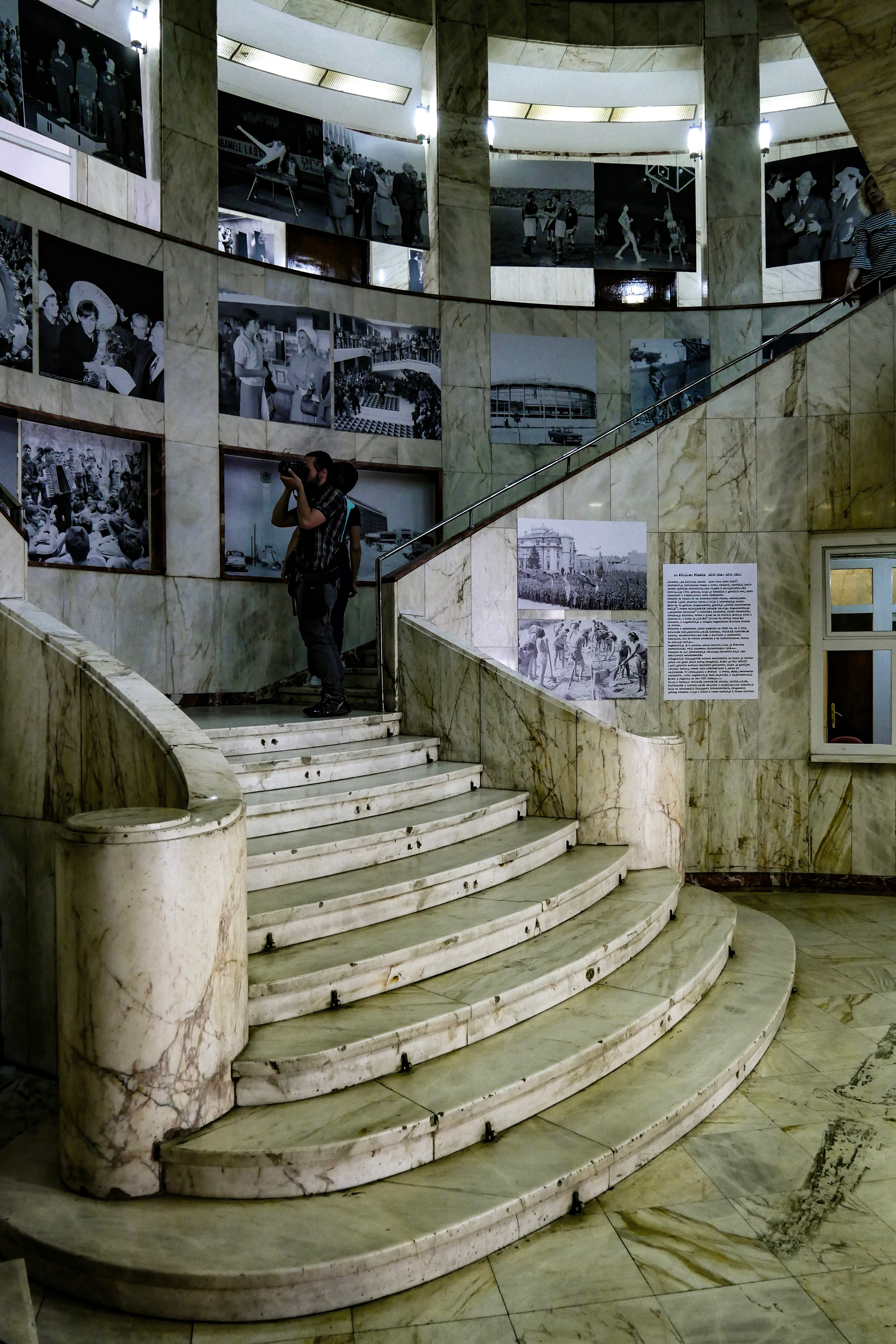
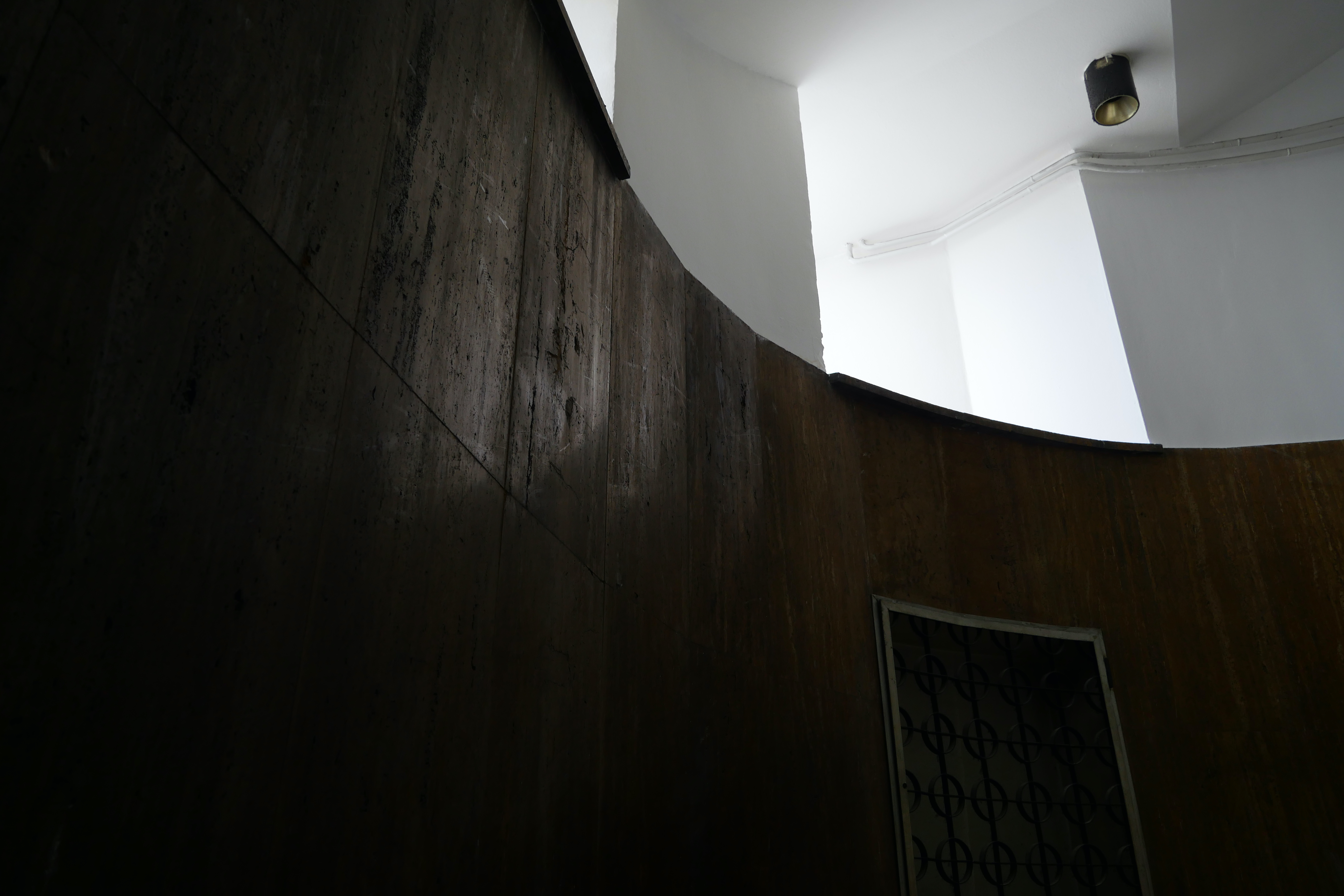
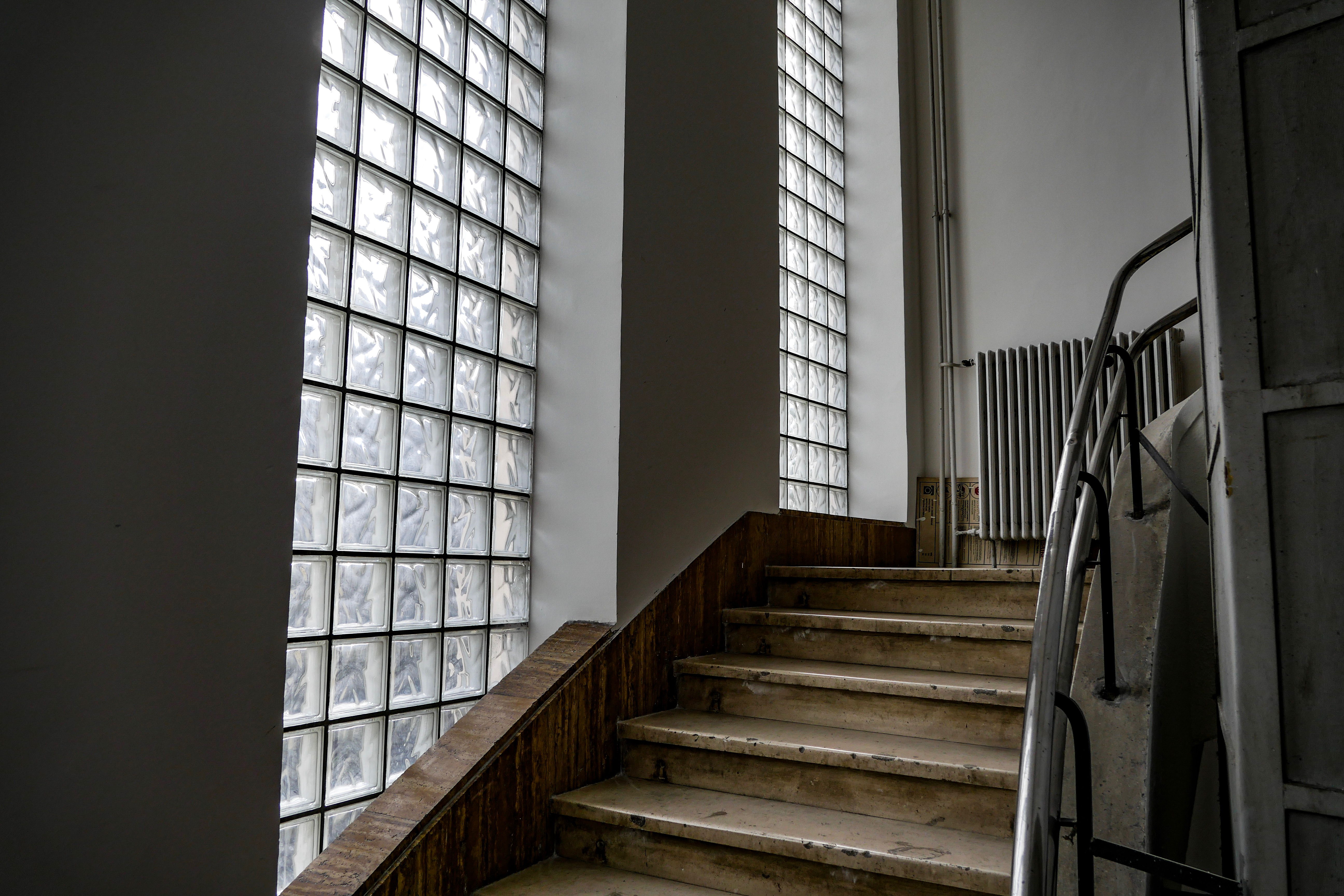
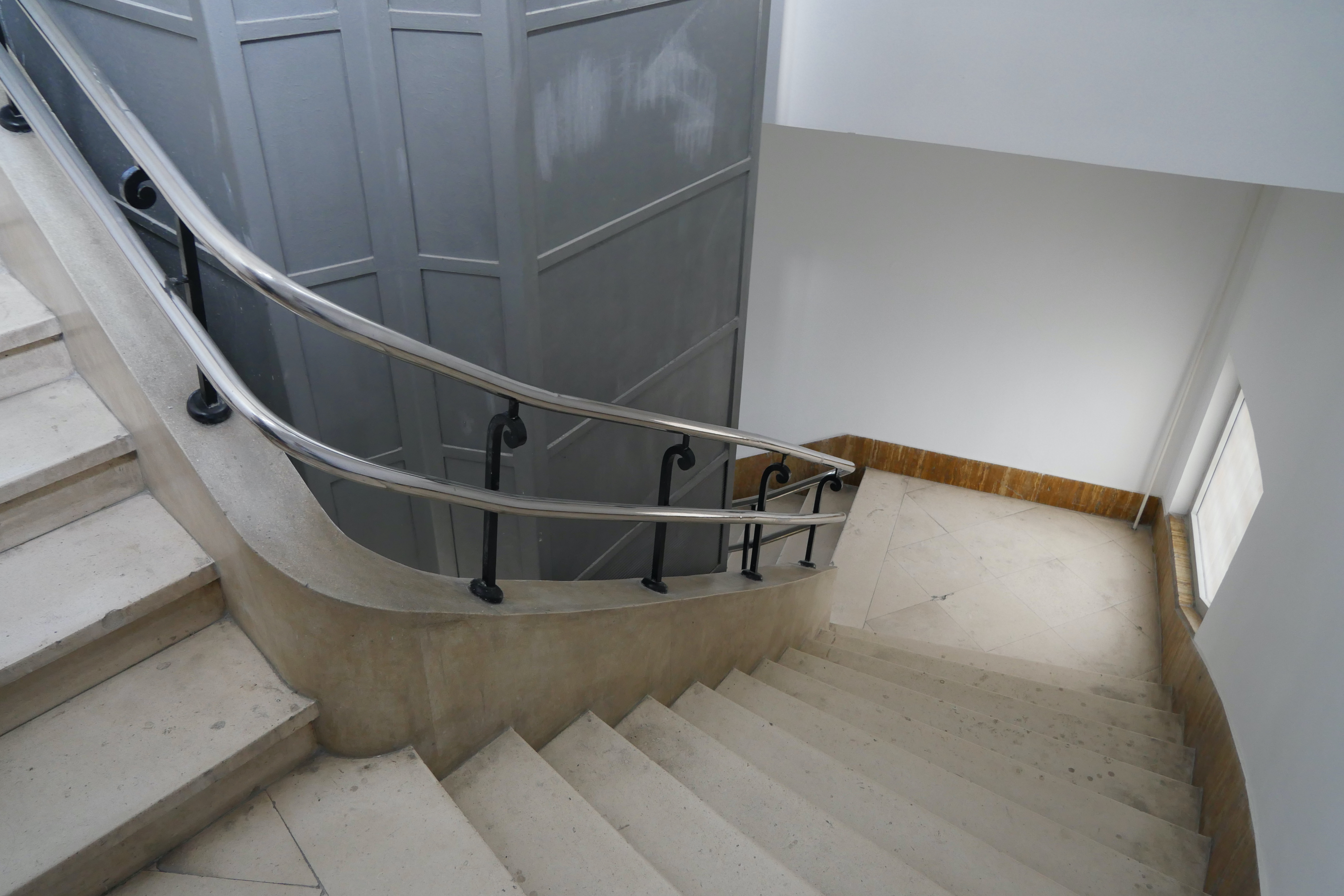
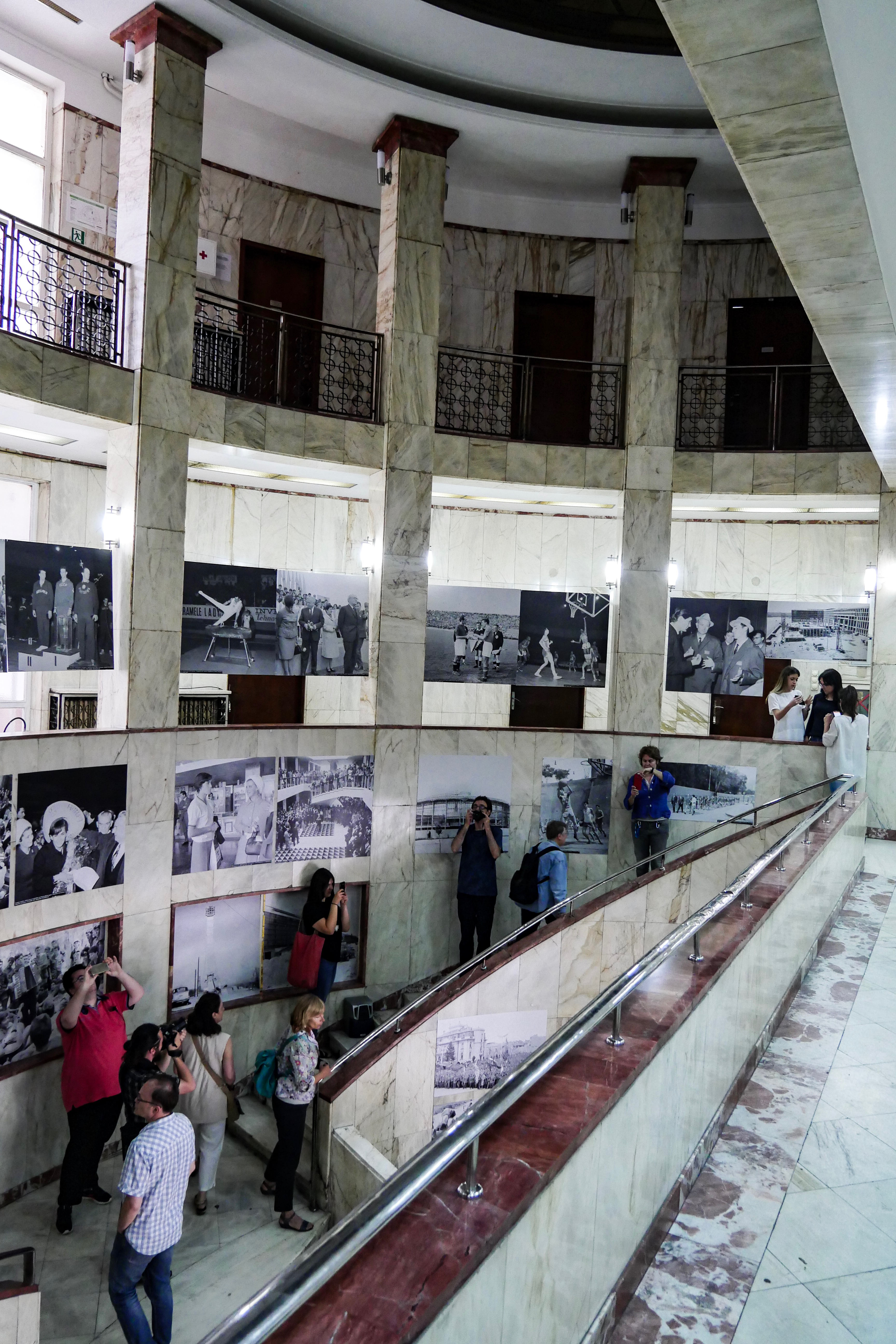
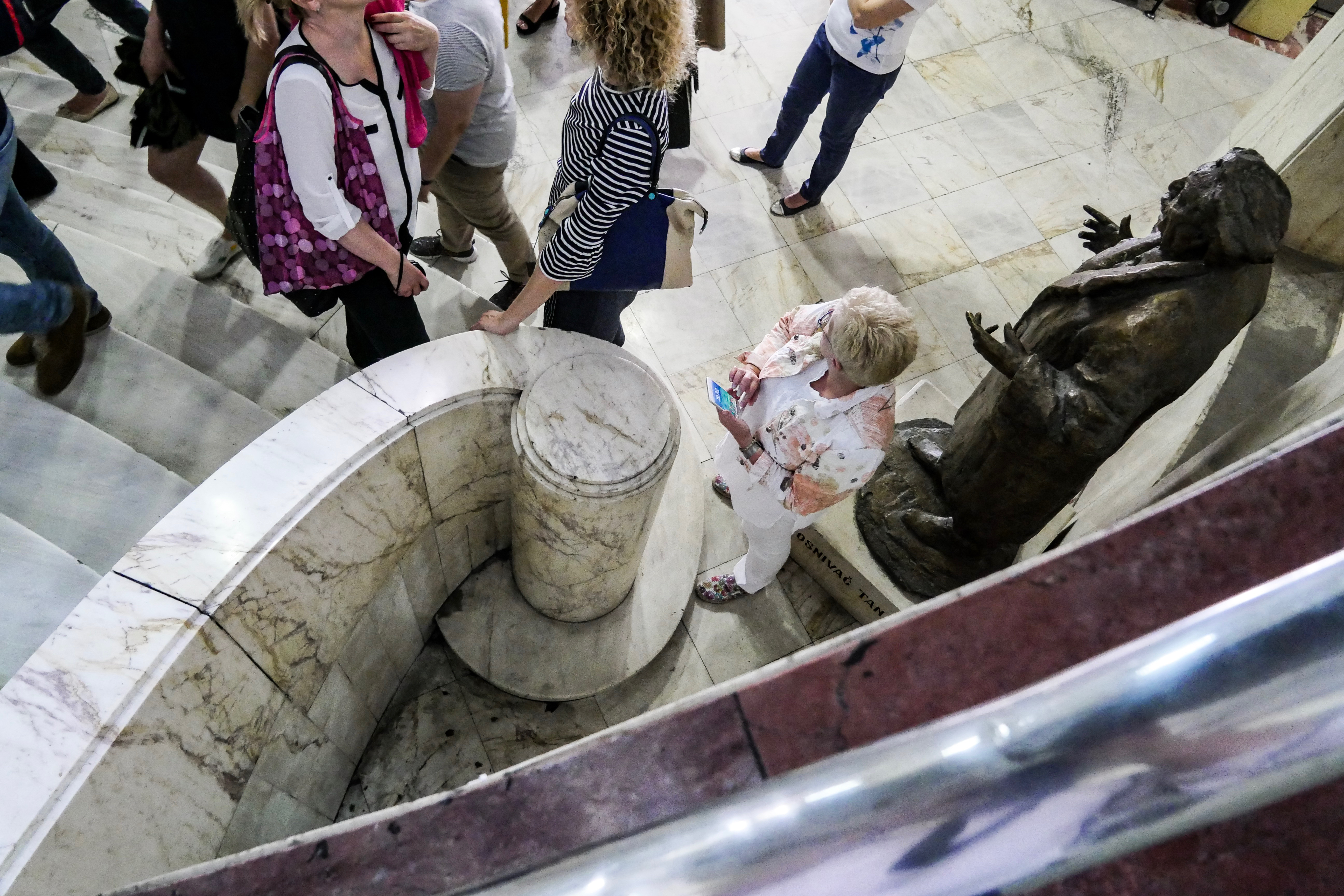
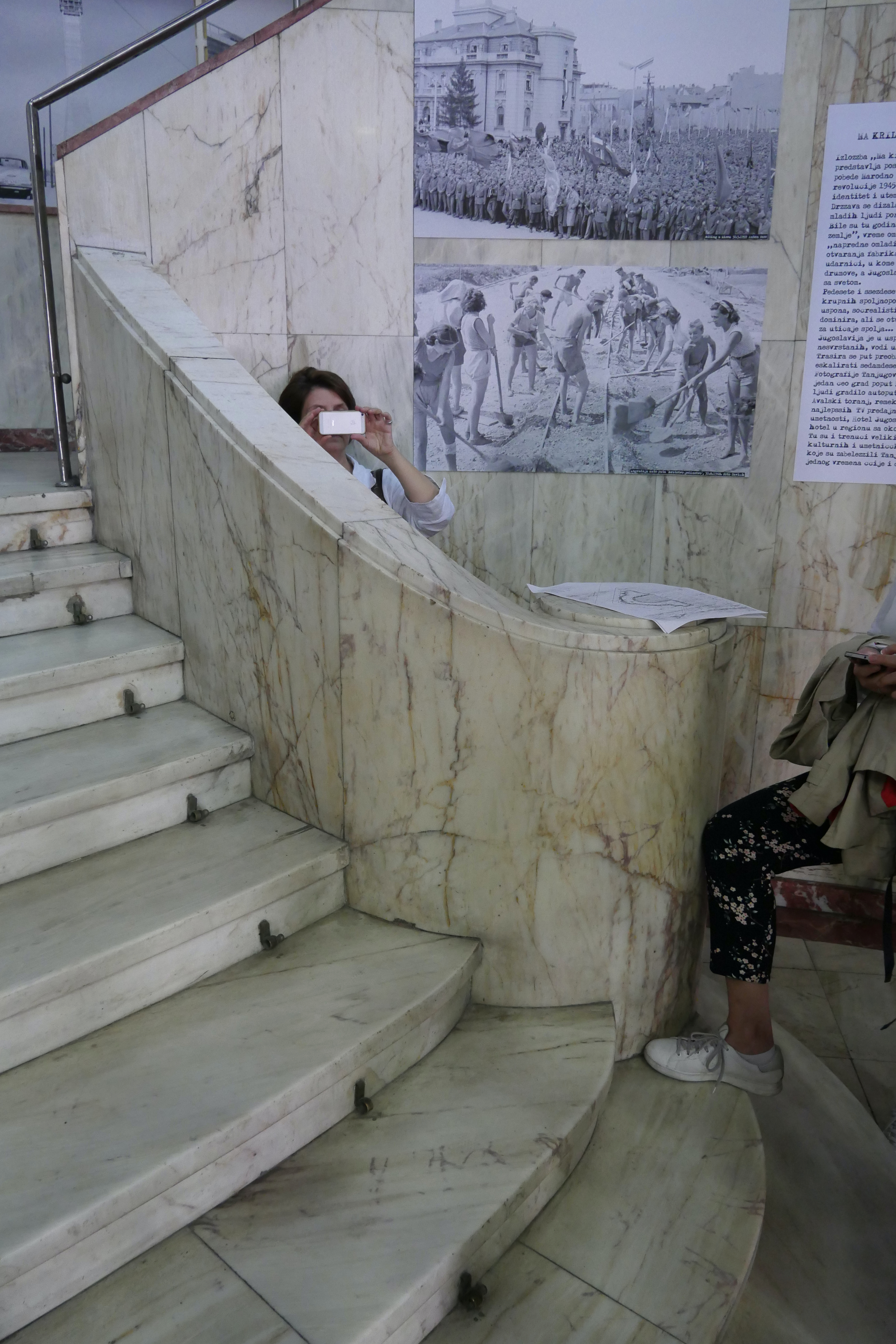
Nevertheless in this post I just want to share the photos of their interiors, both of which are reminiscent of ocean liners, especially Normandie, which captured the imagination of architects around the world.
Radio Belgrade, which moved the the present location after WWII (it was first housed in Knez Mihajlova, and then in the present day Serbian Foreign Ministry), made significant alterations to the original building which served as part hotel, part apartment block, part cinema (with a masonic meeting place on top).
Yet many amazing details remain from the time, especially within its club room.
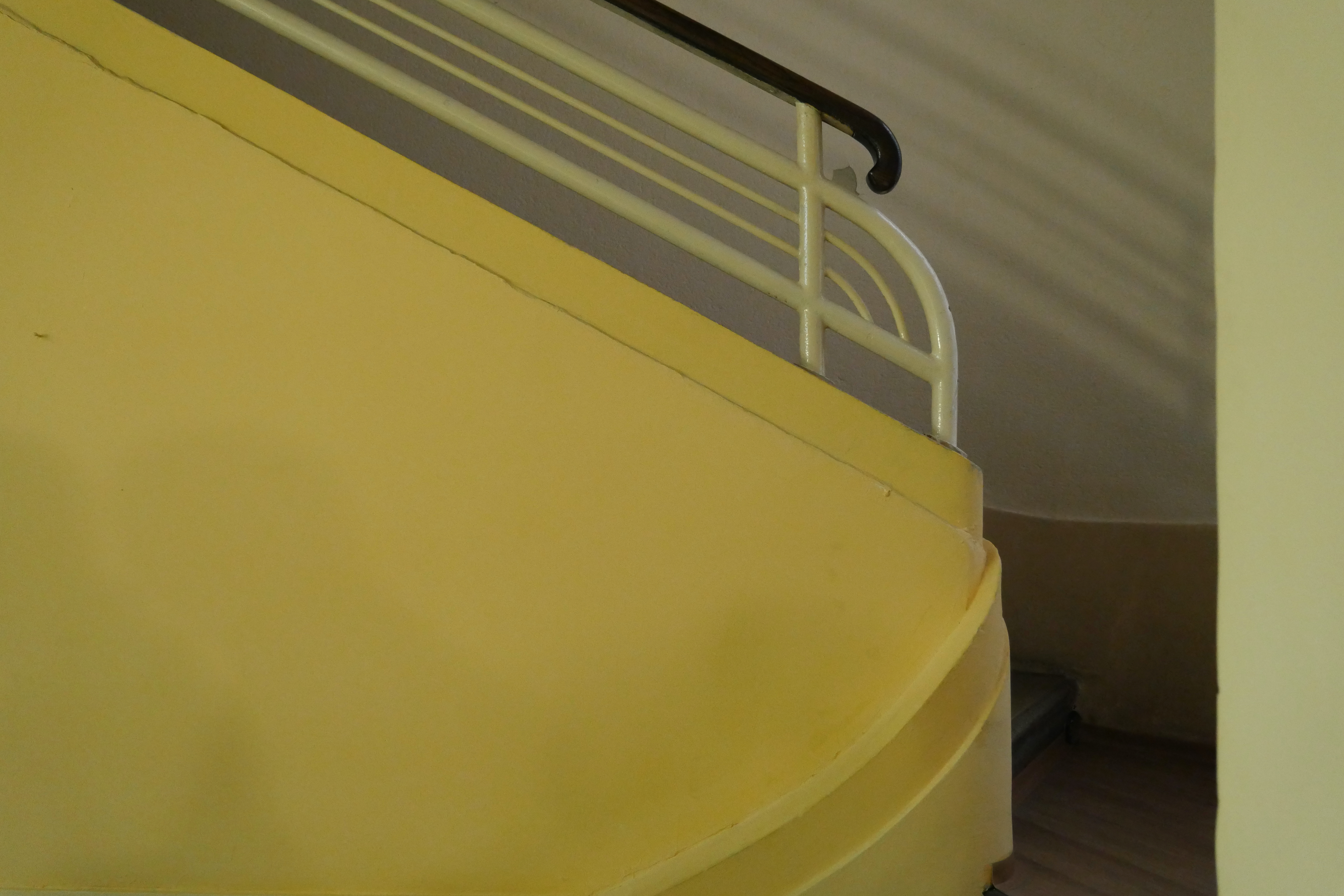
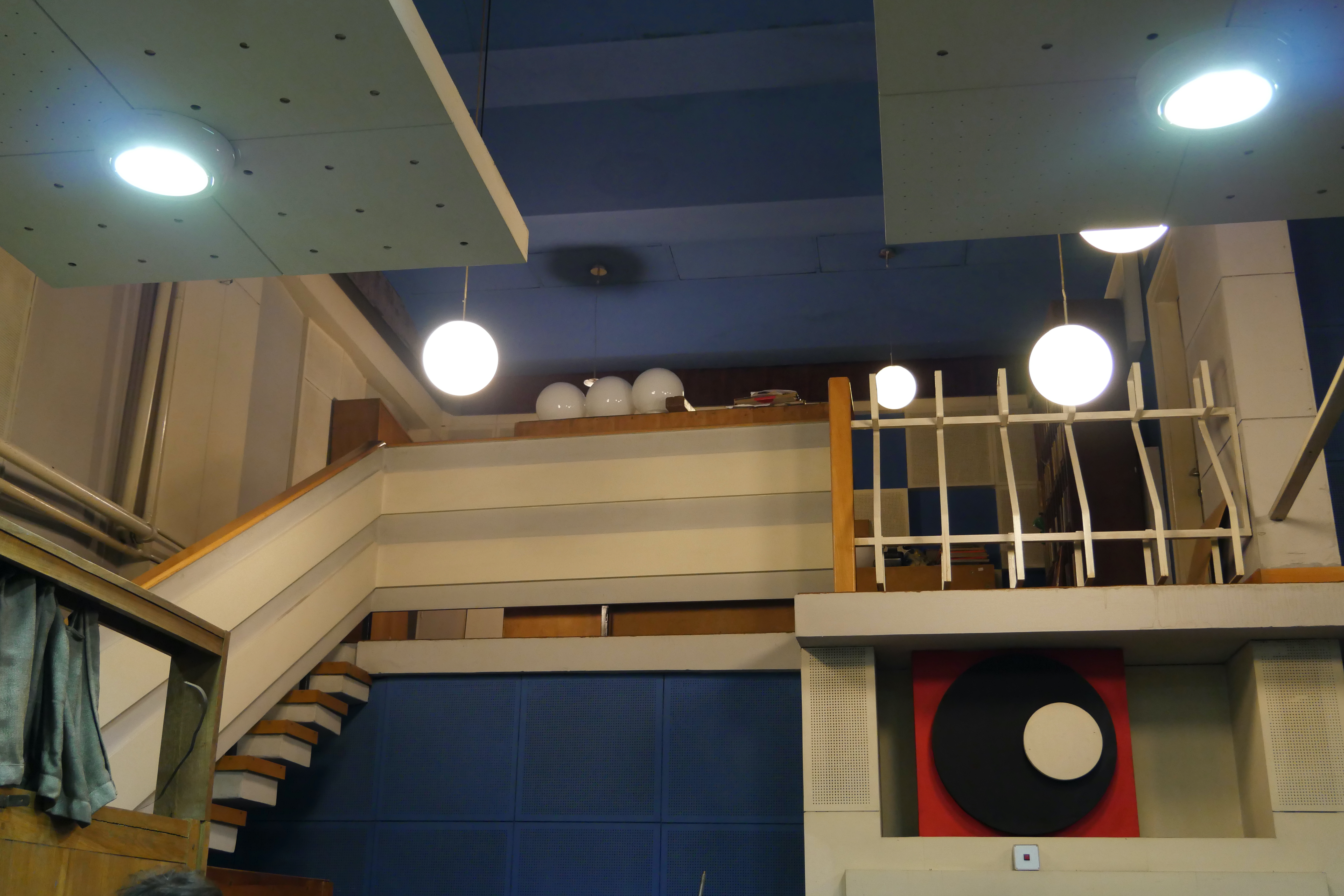
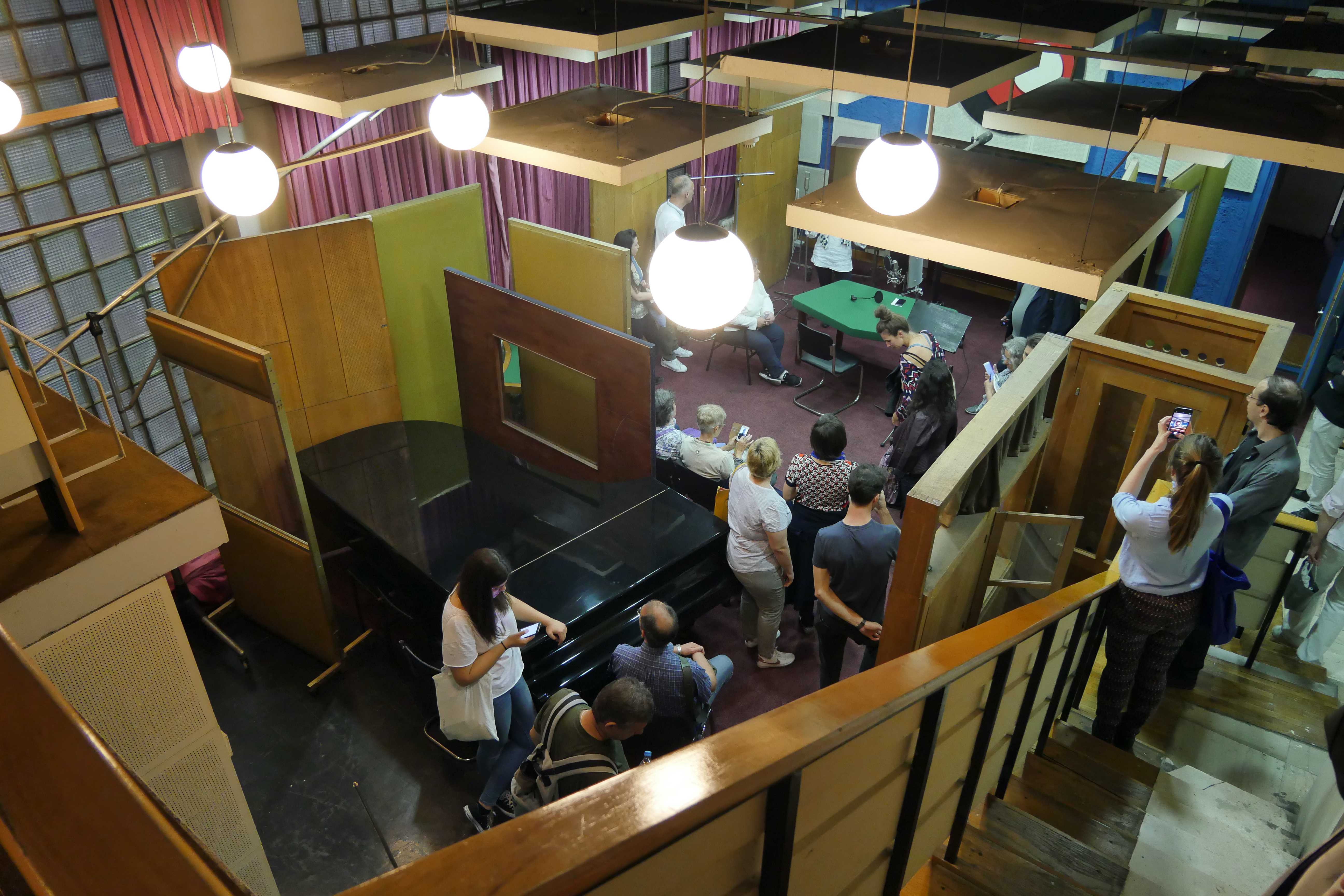
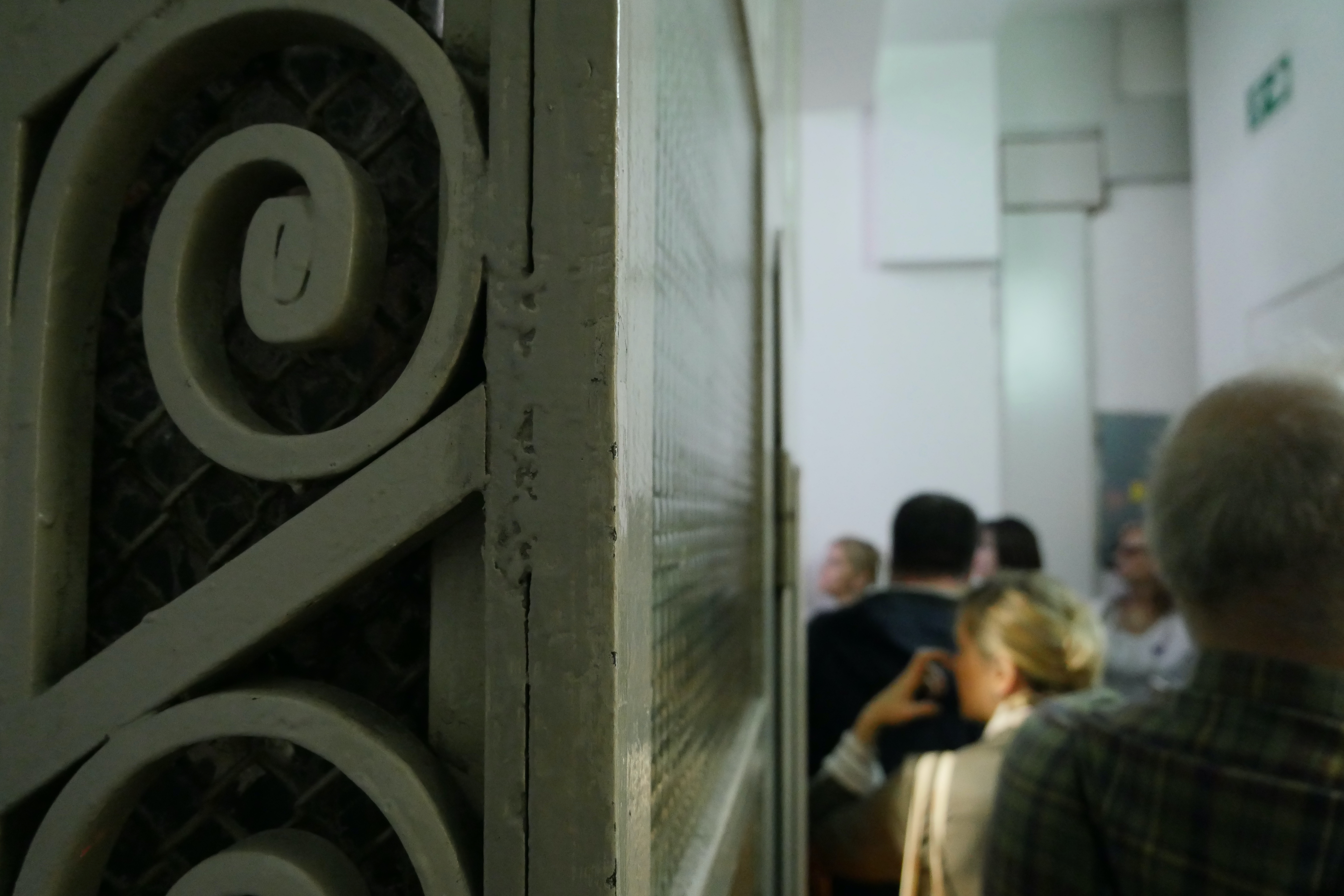
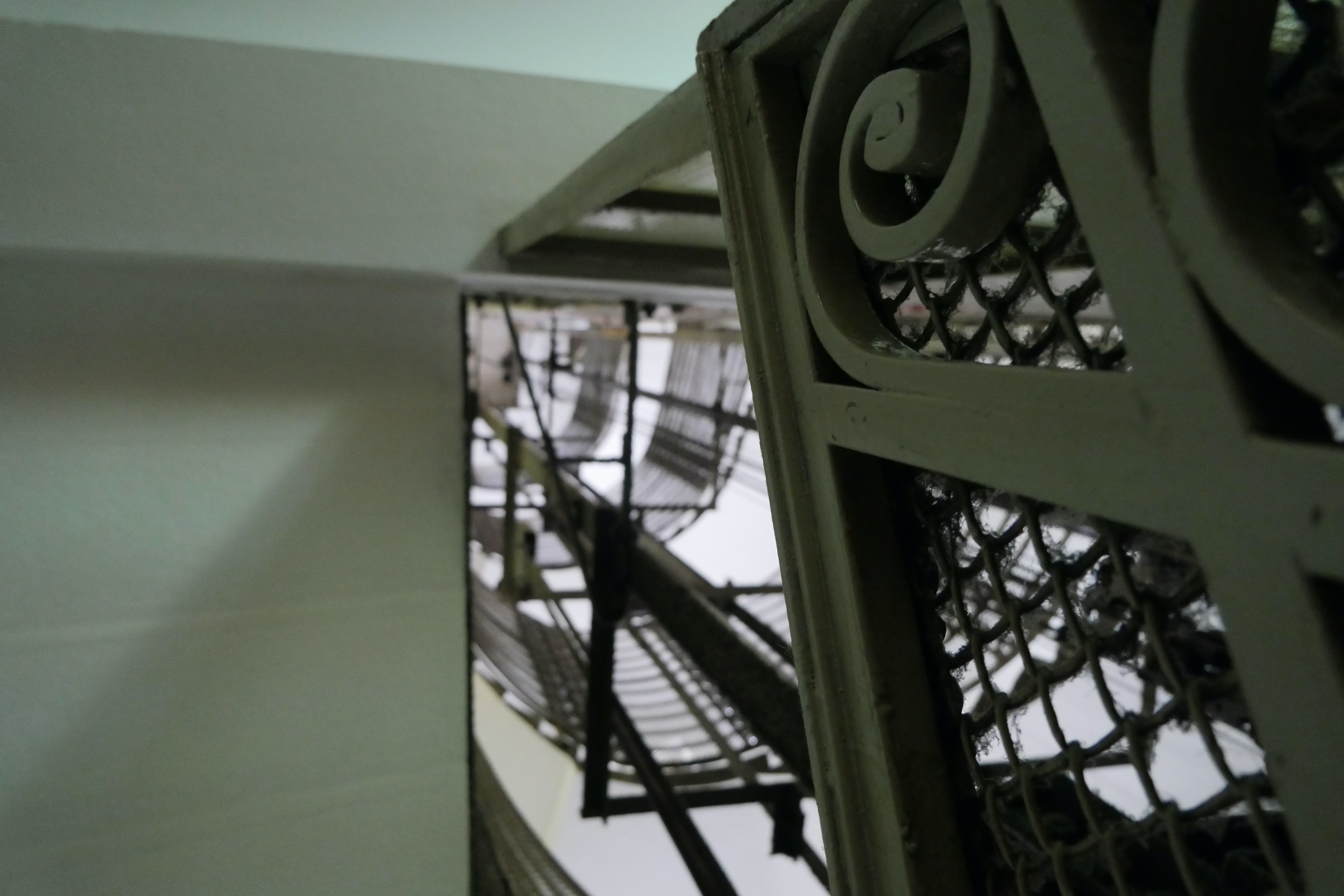
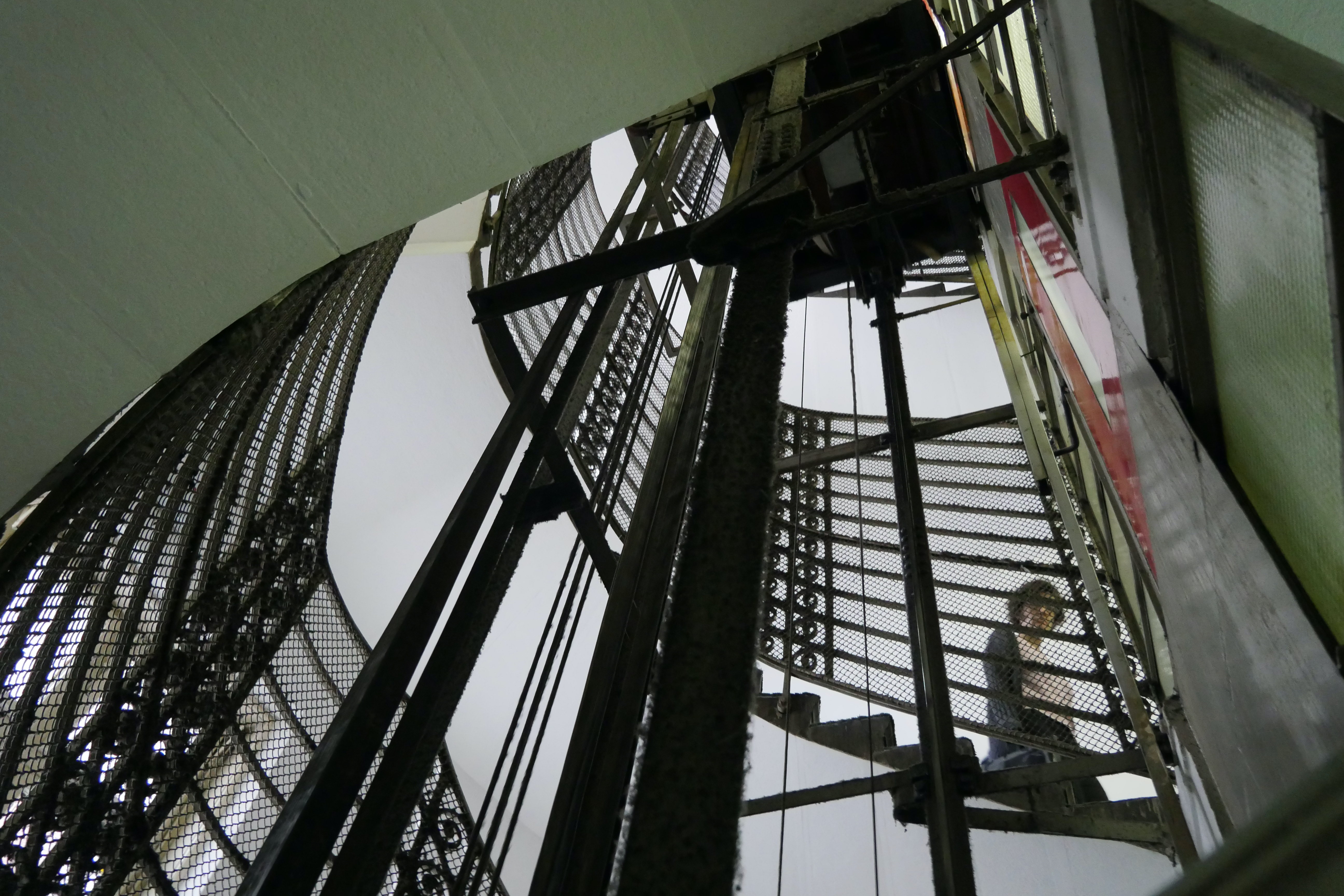
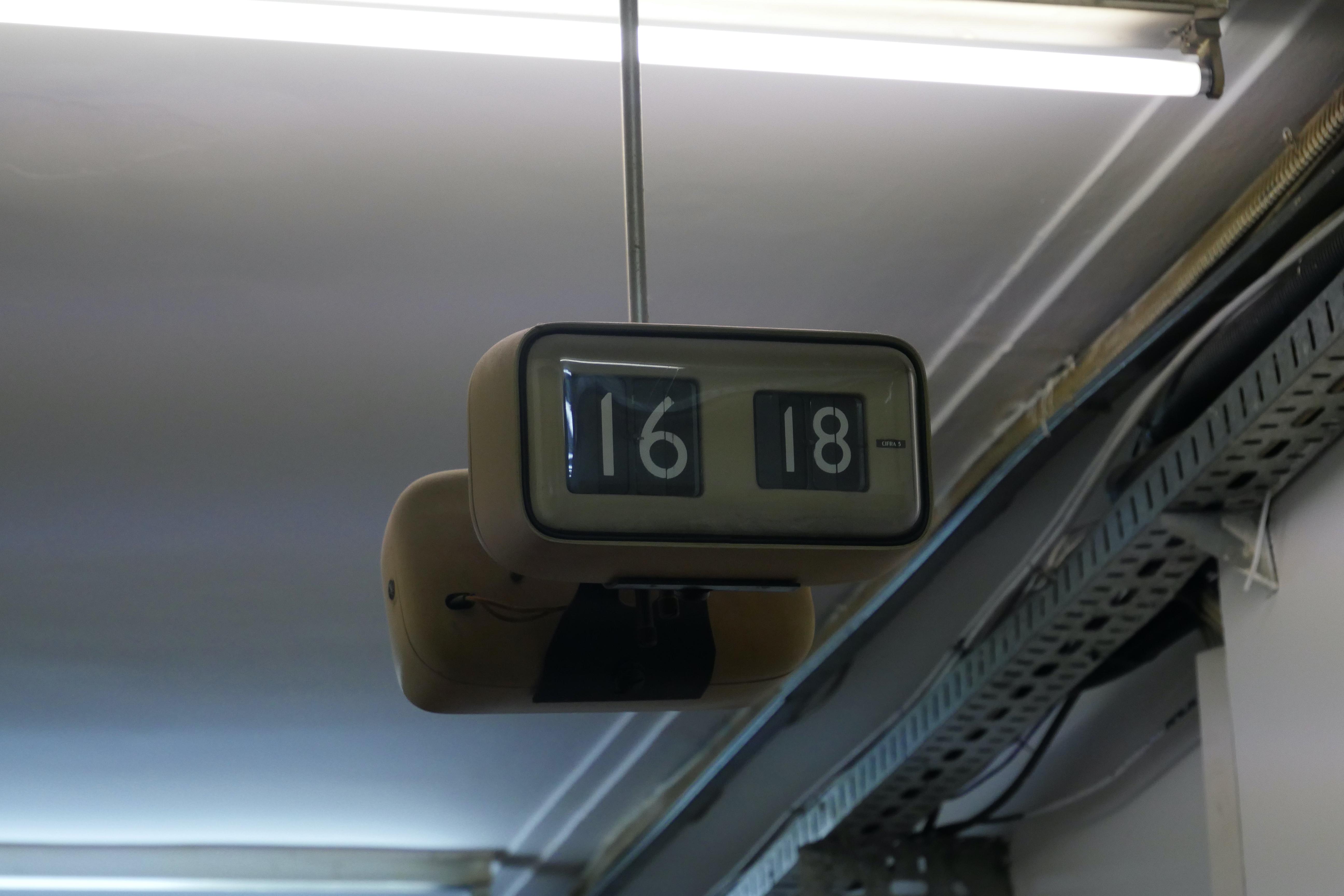
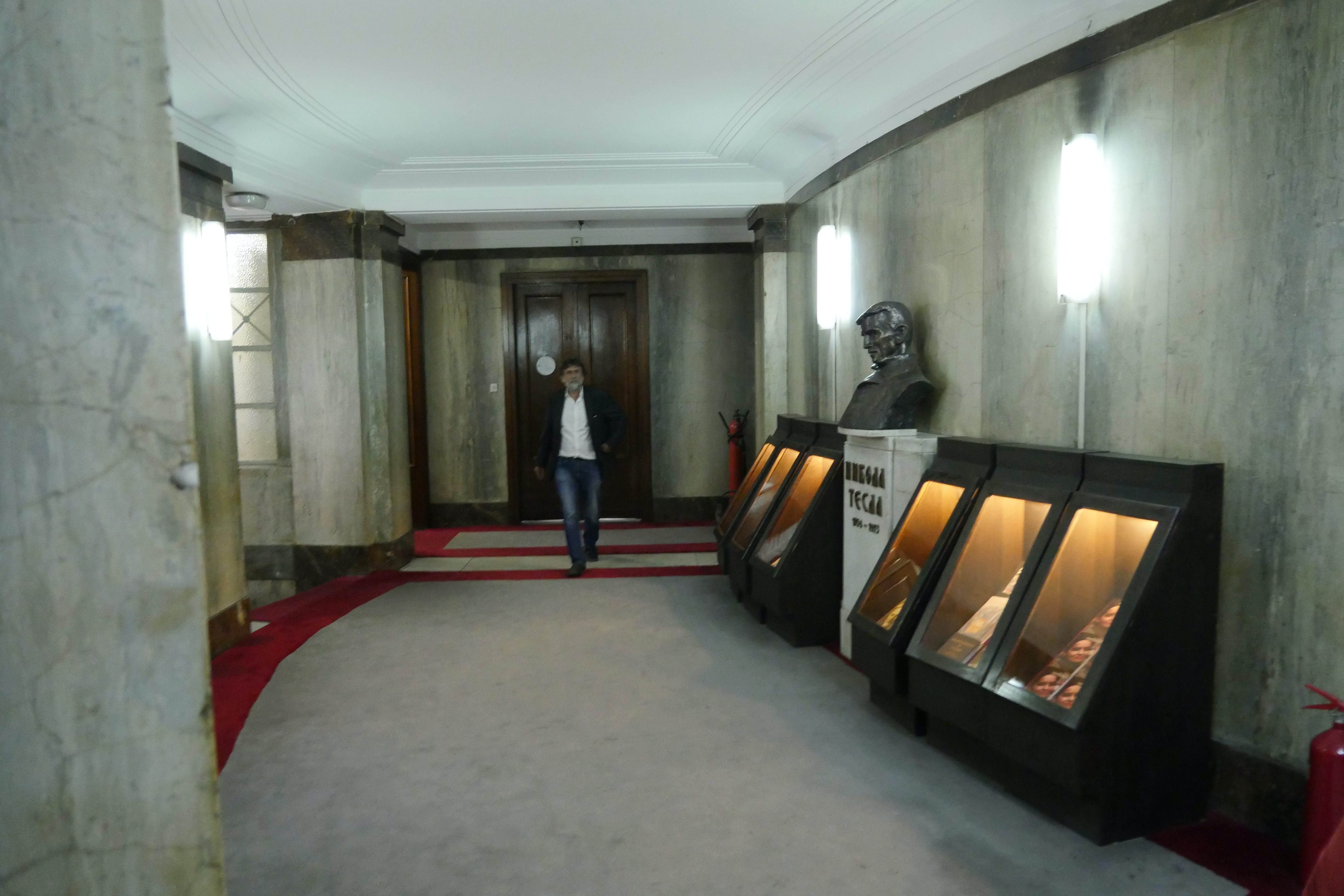
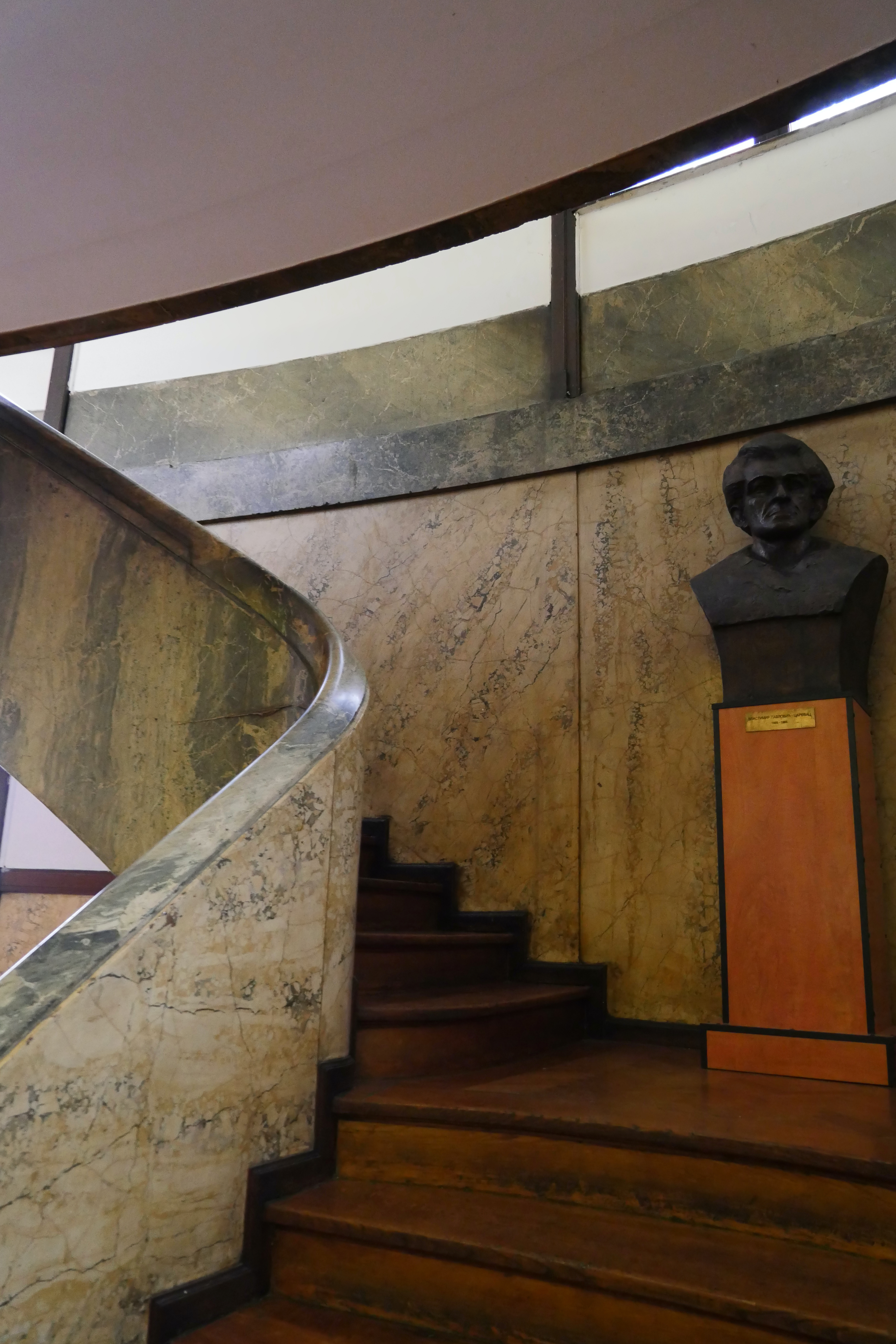
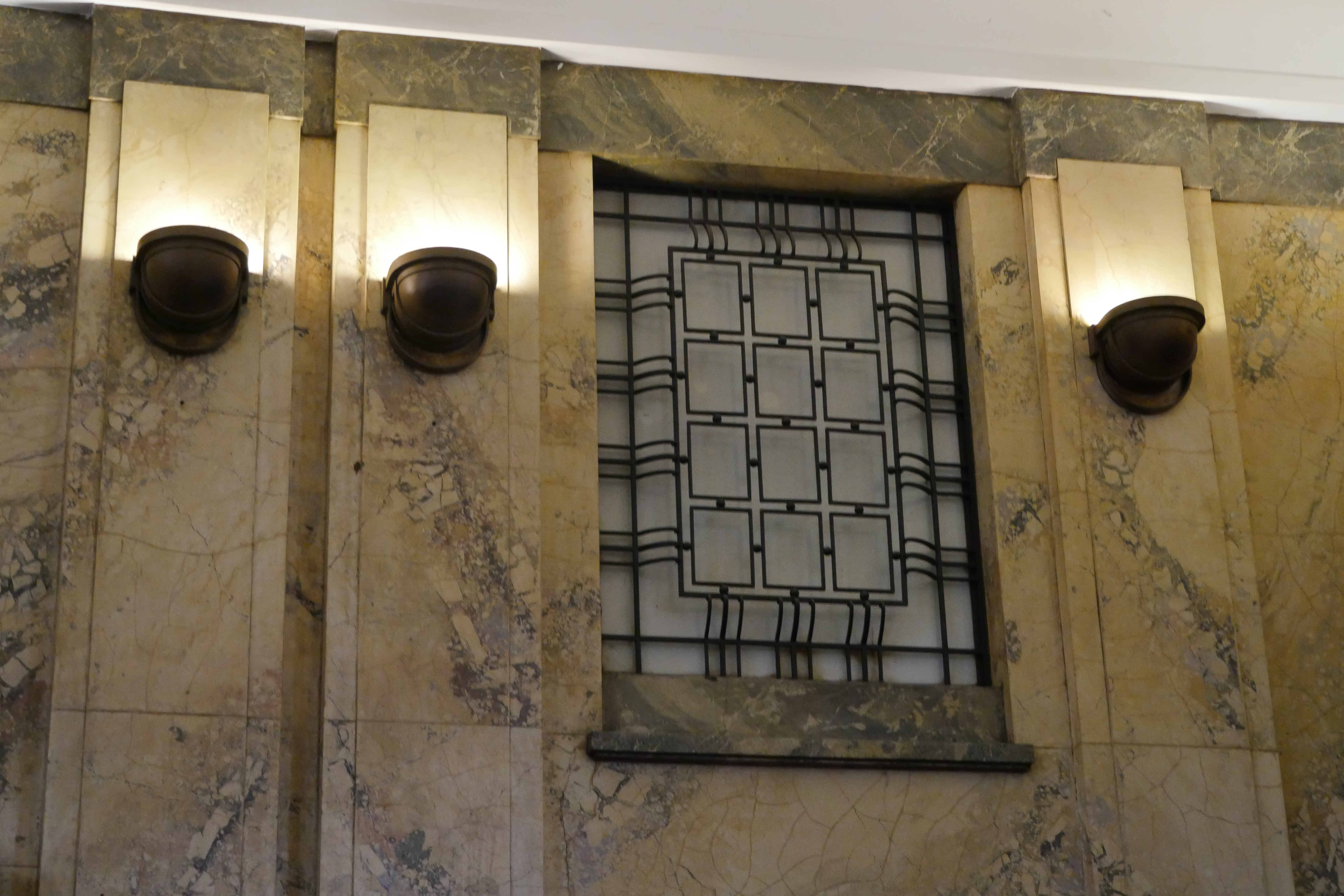
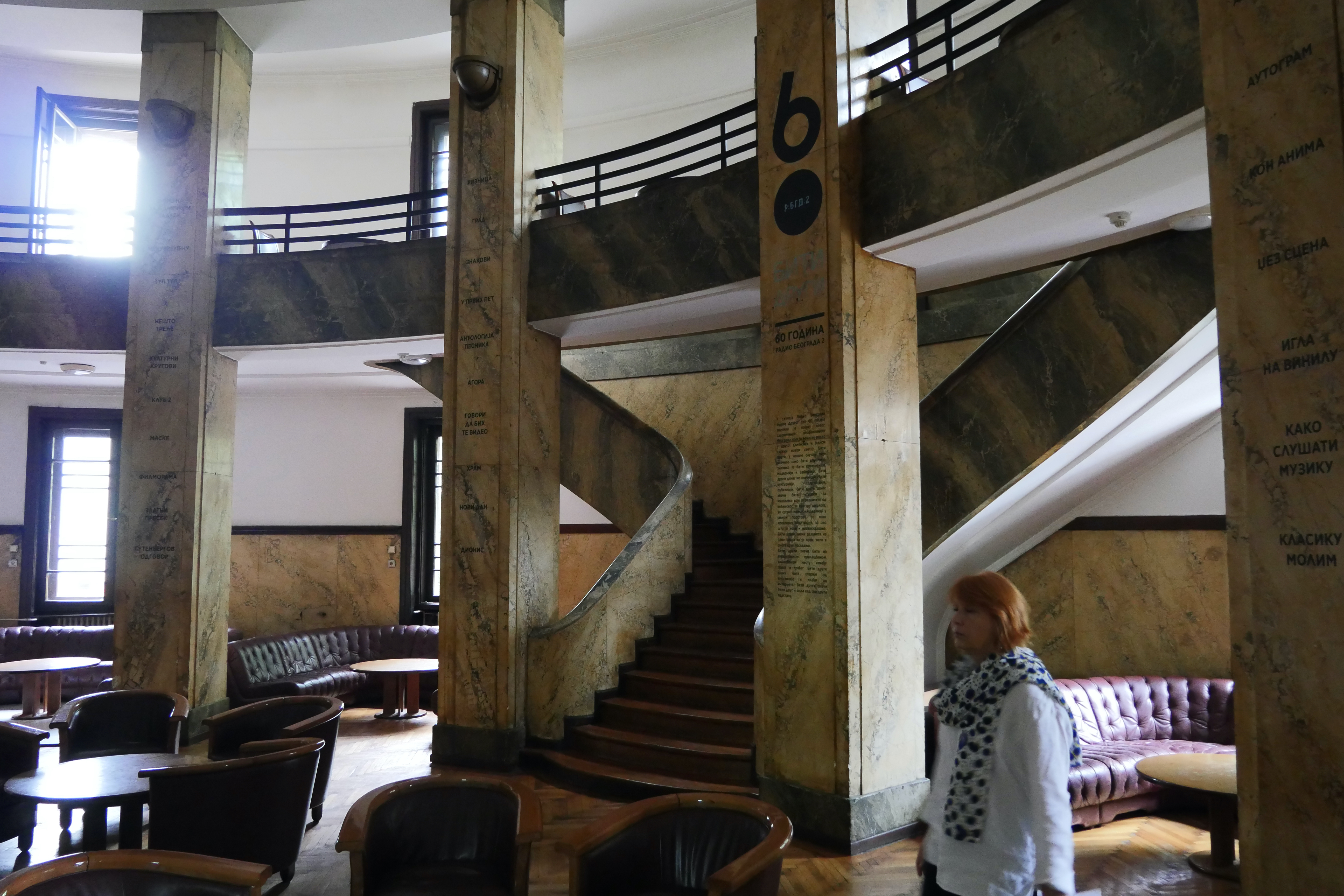
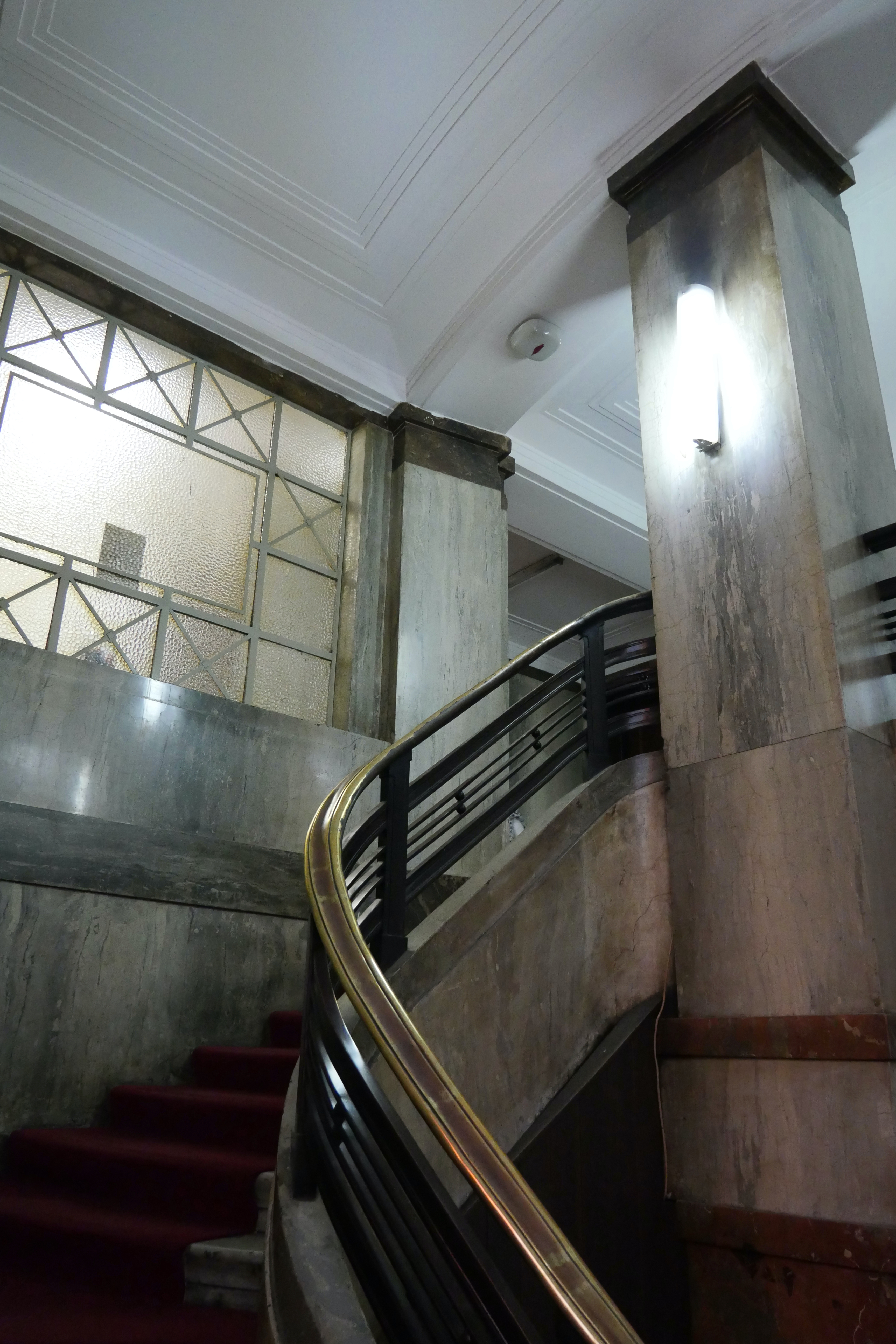
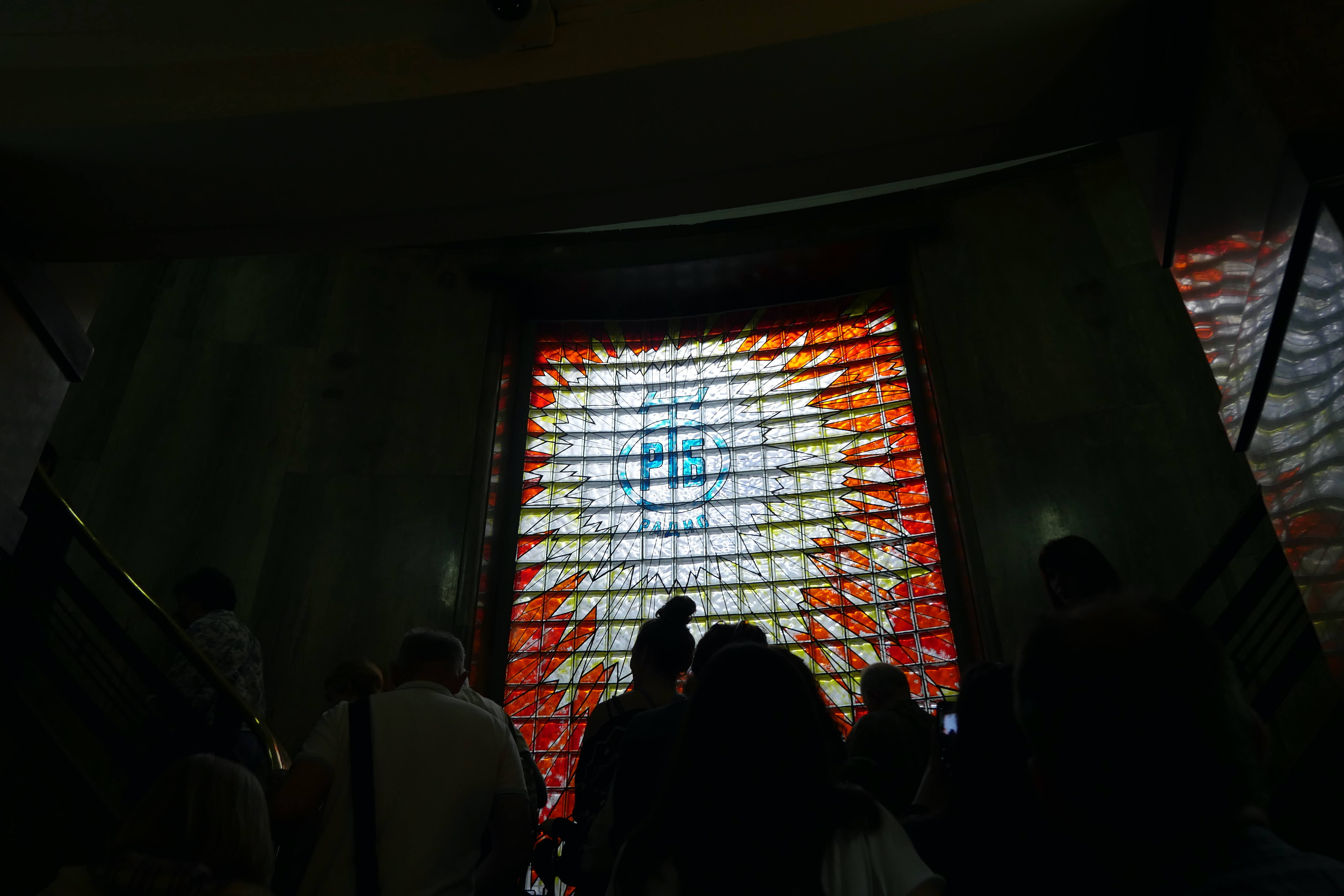
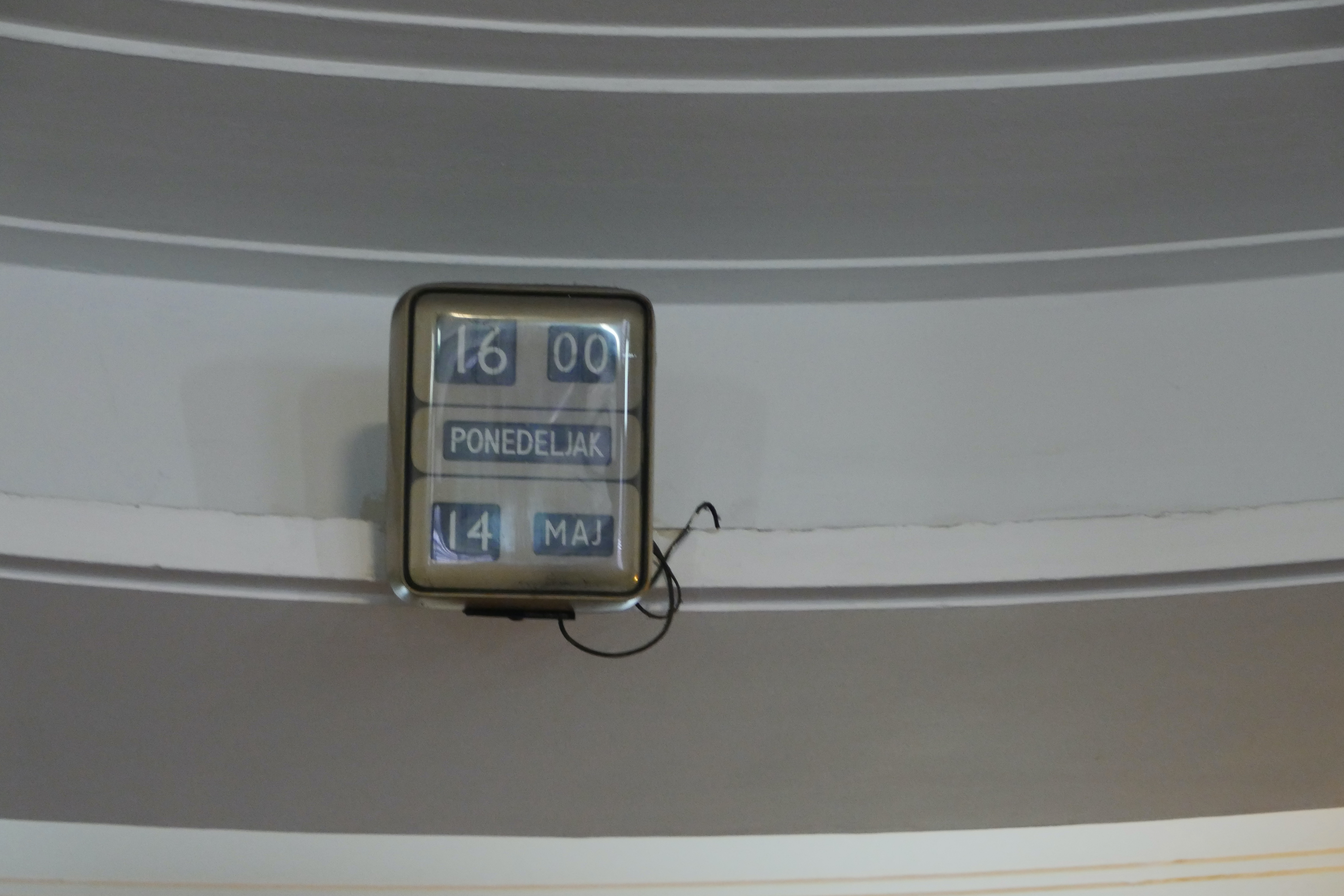
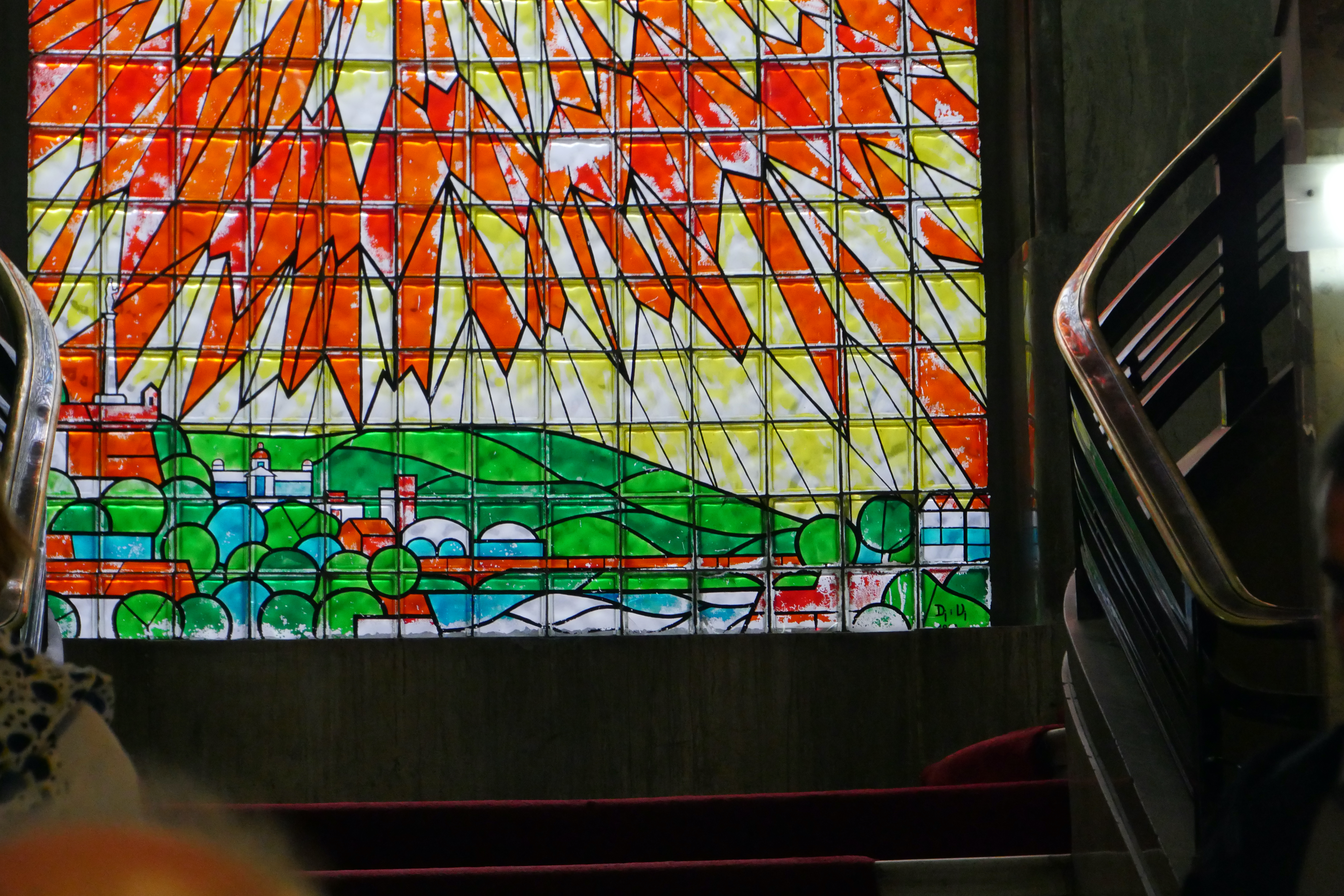
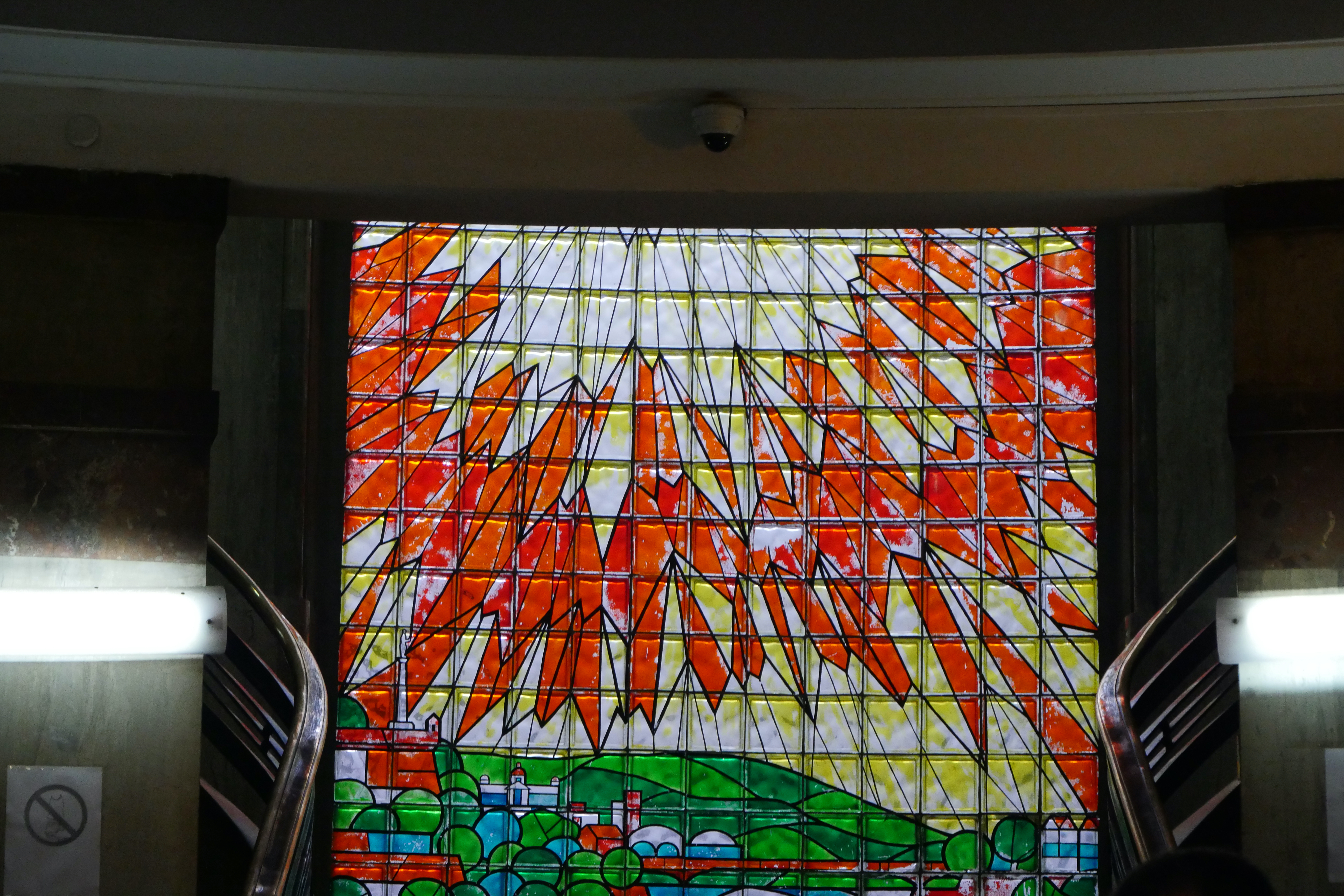
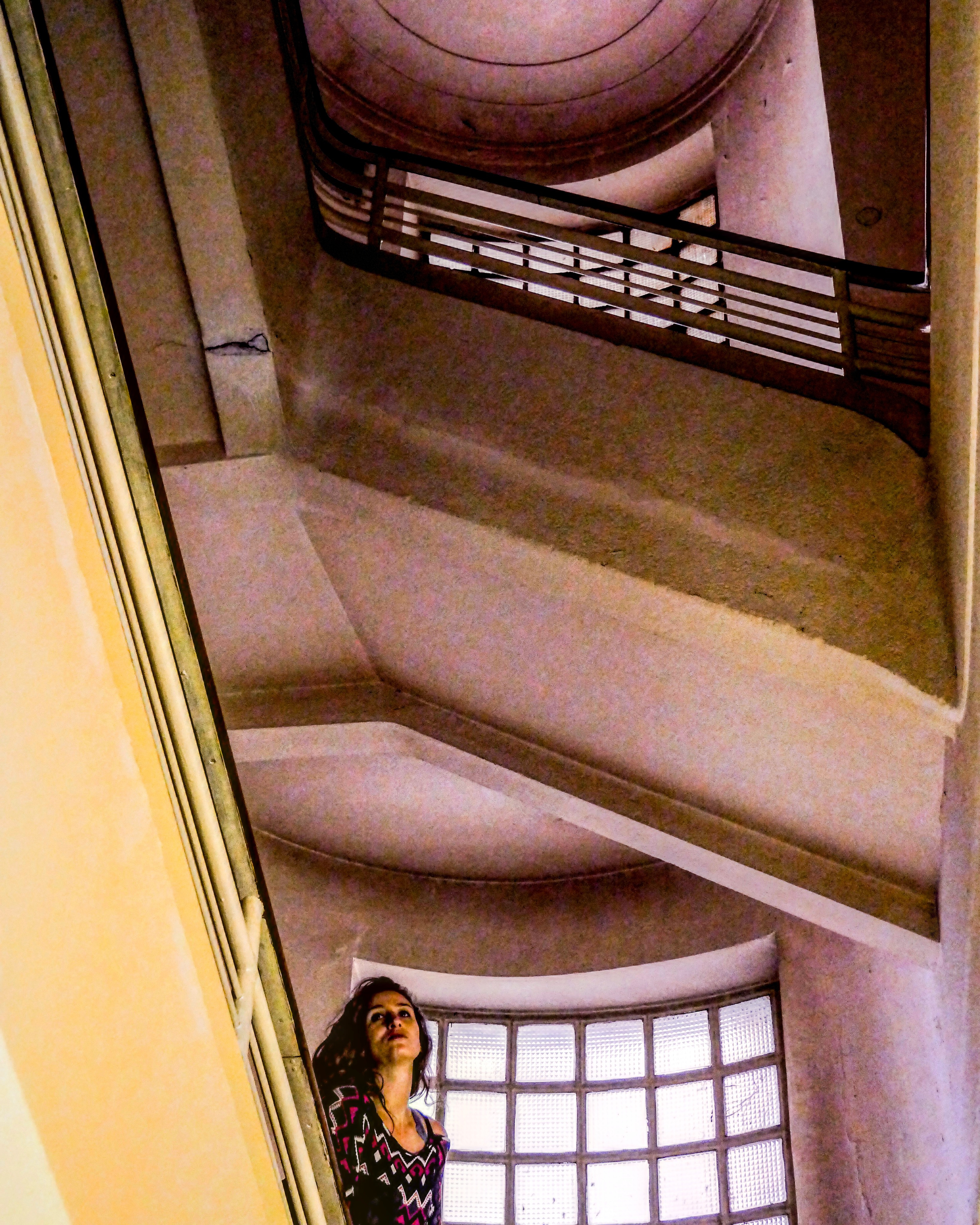
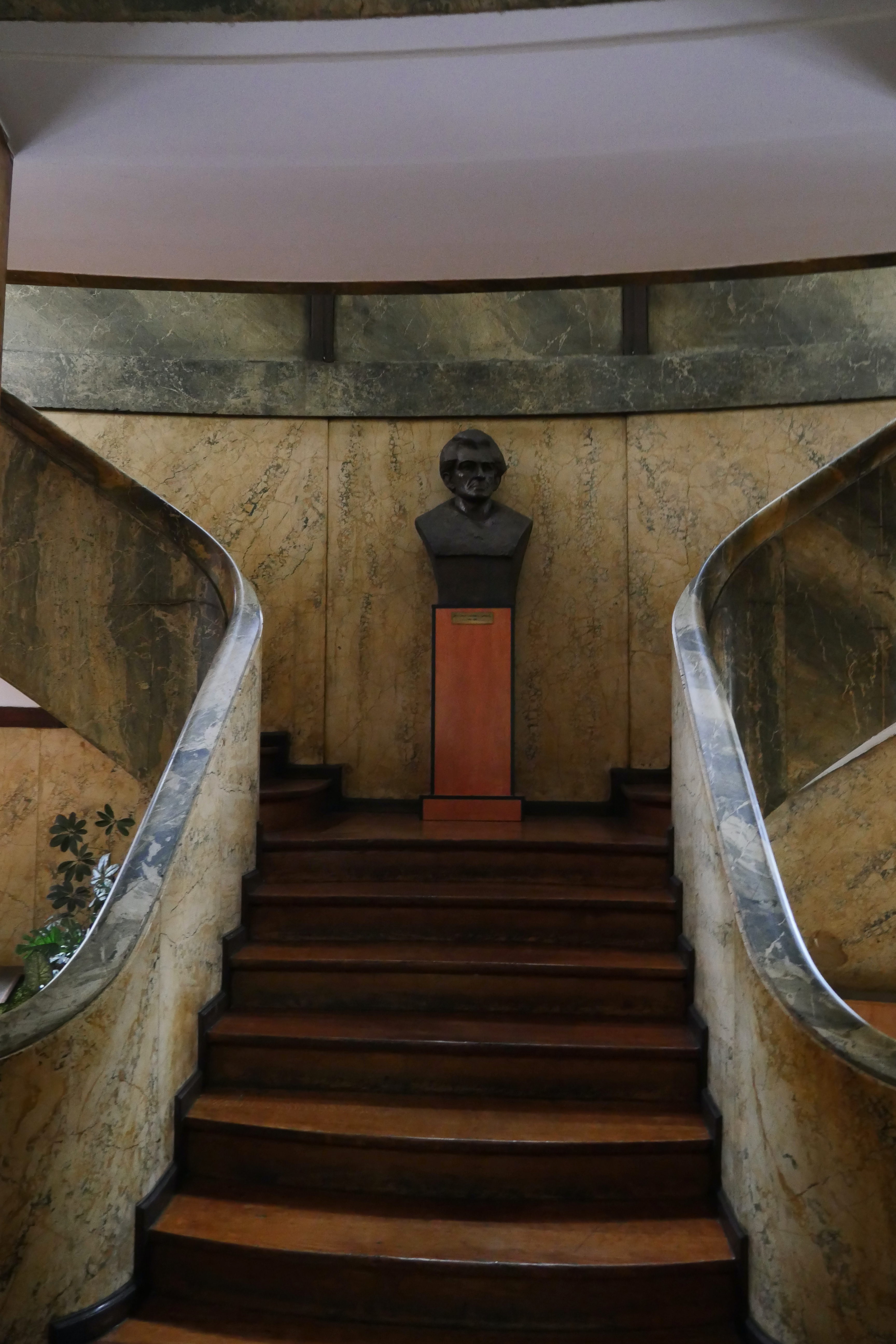
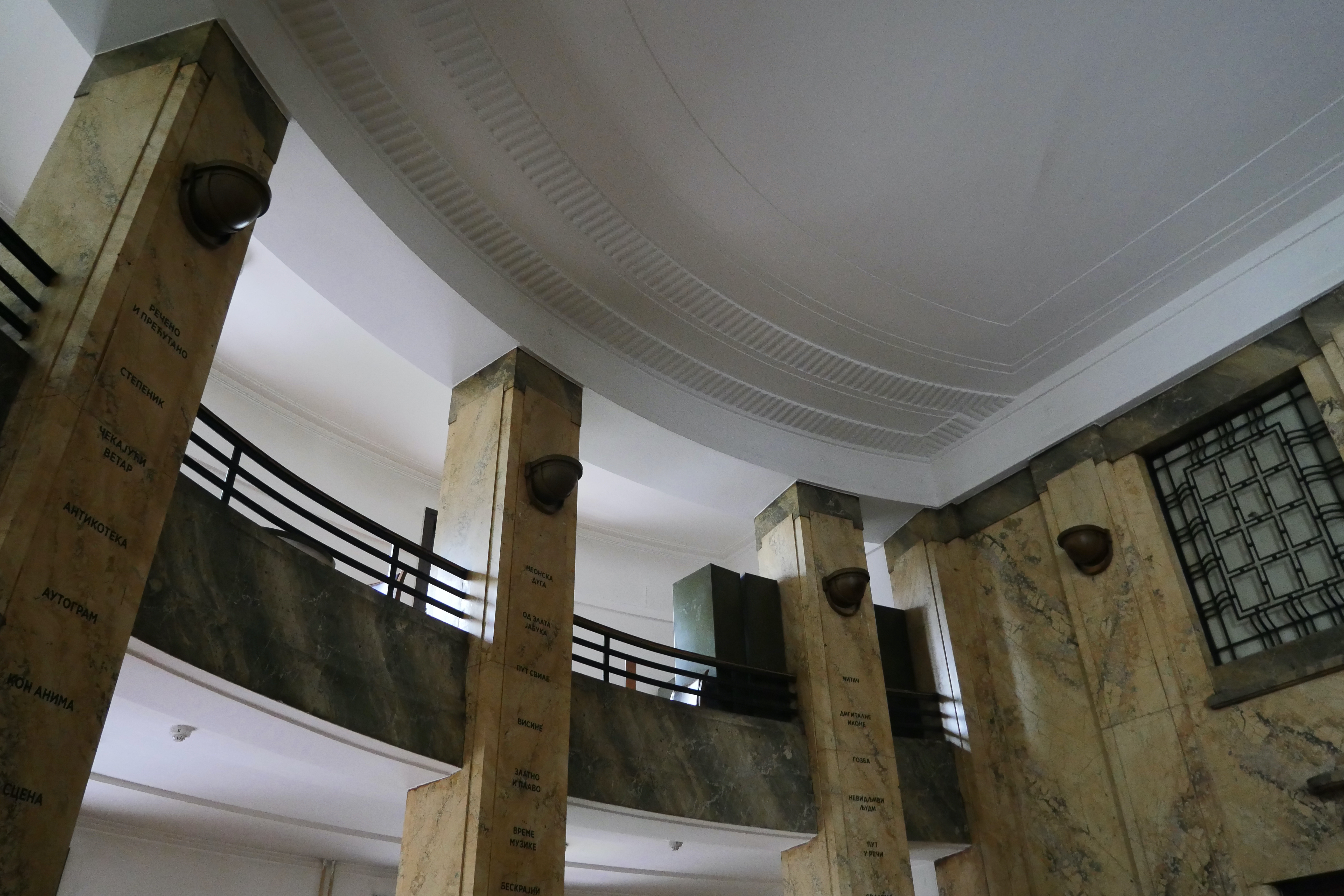
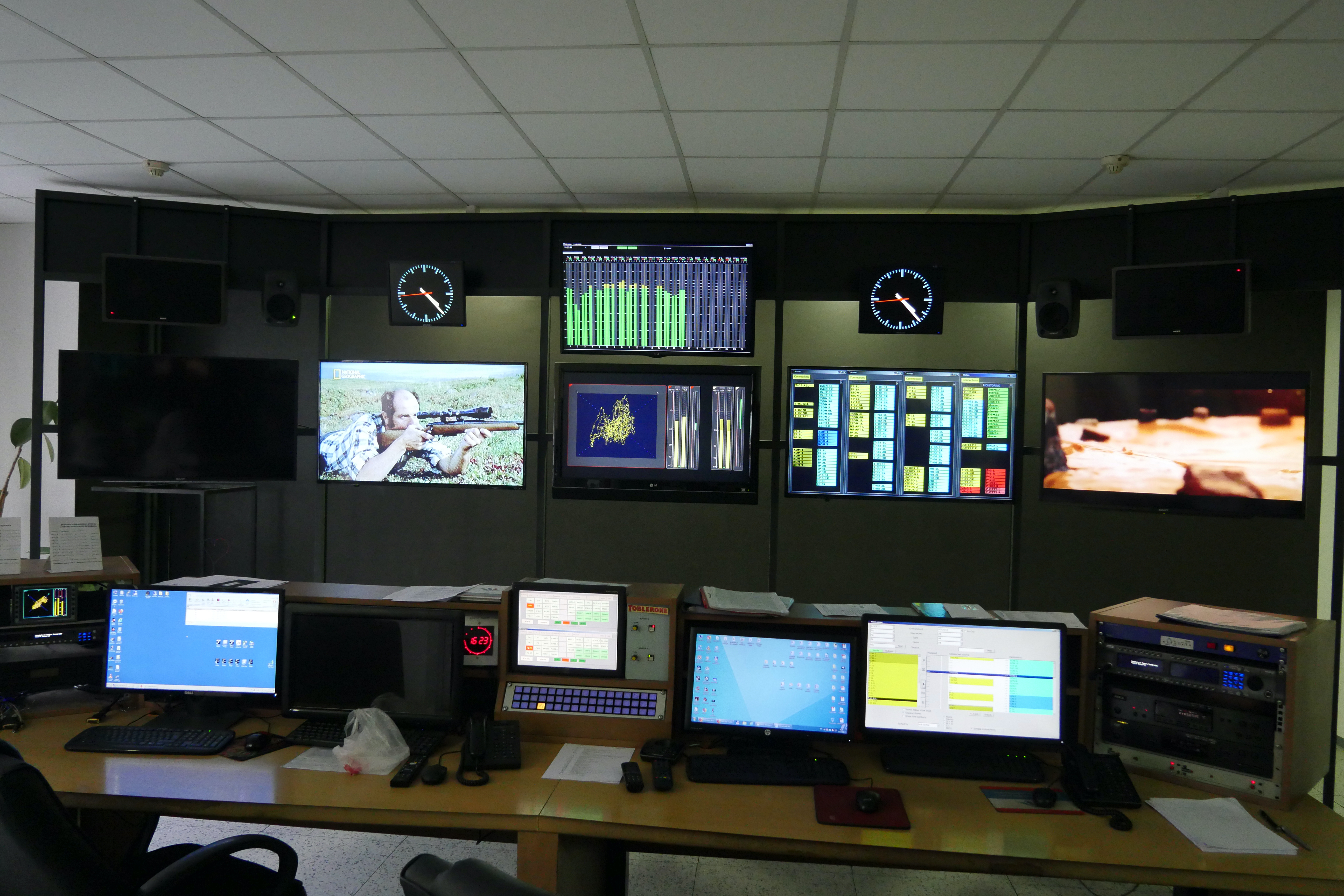
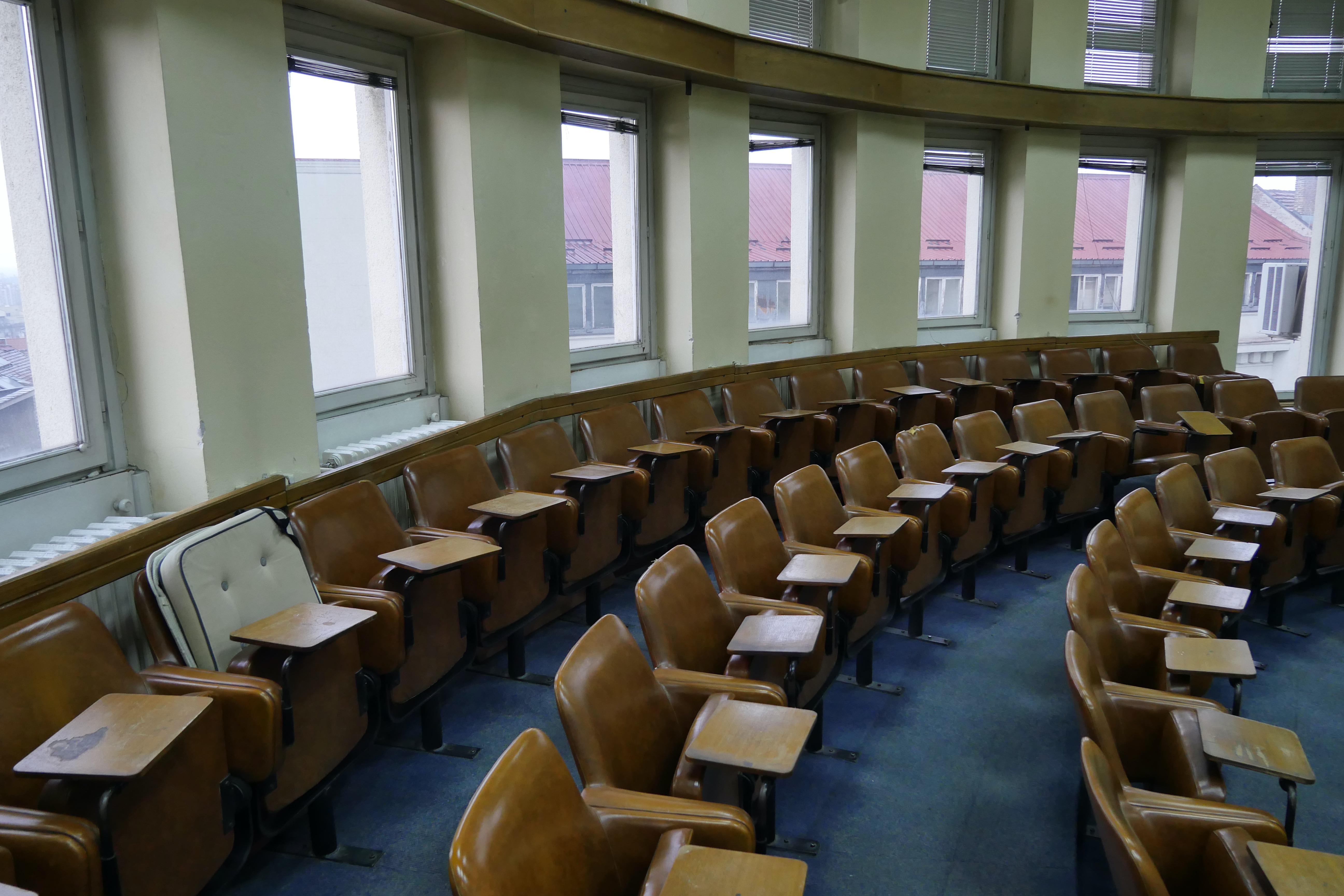
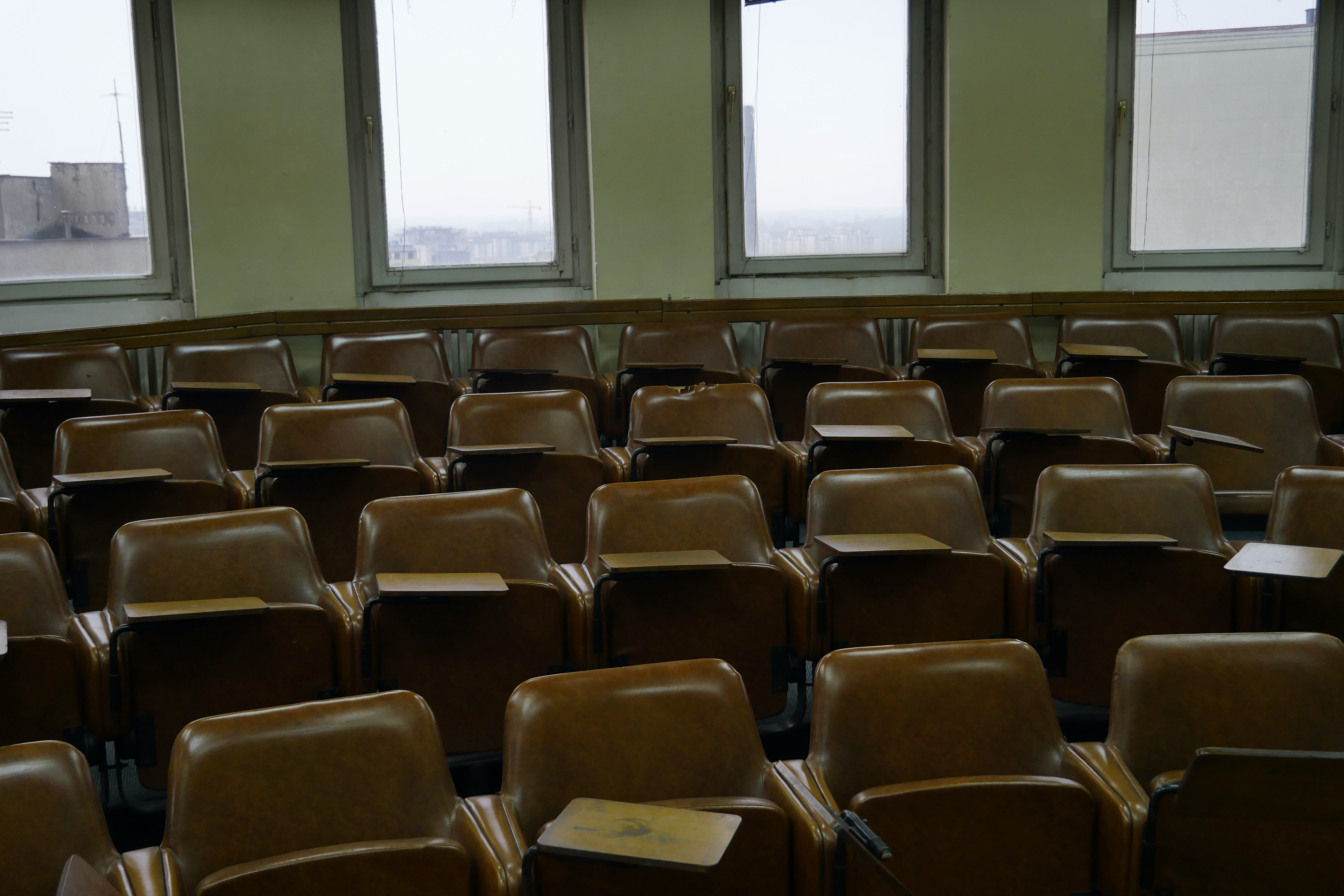
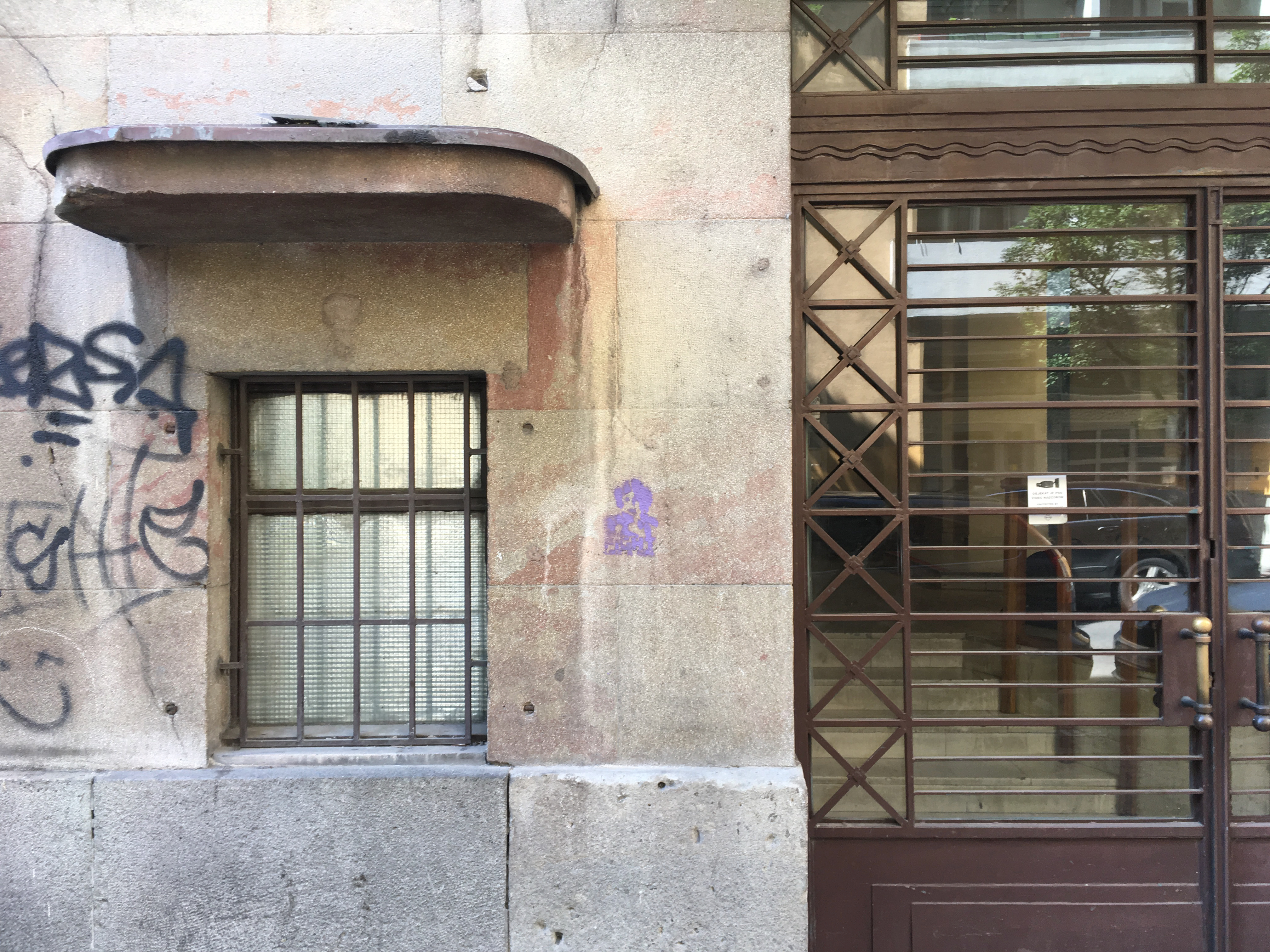
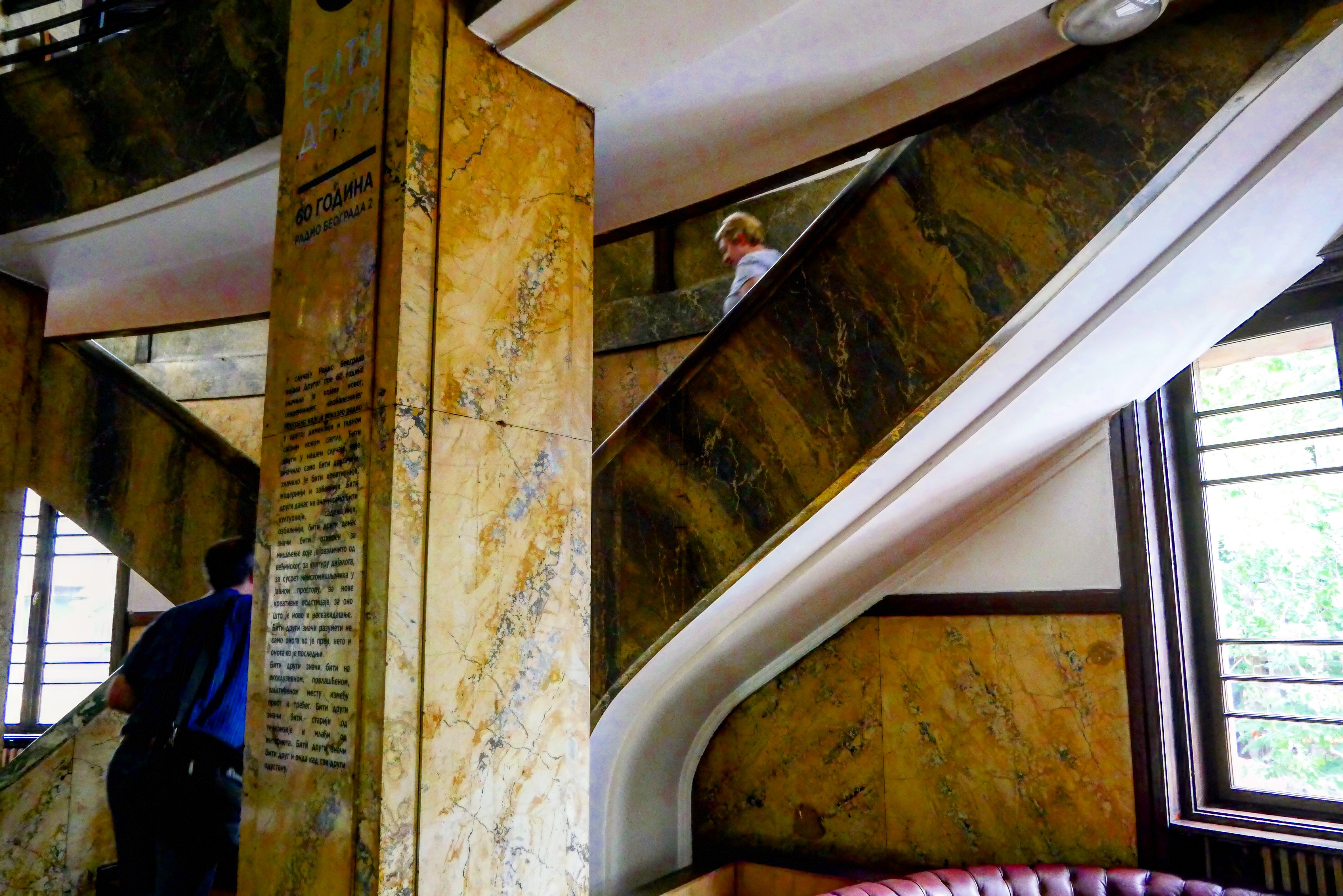
PRIZAD building on the other hand, was always intended as an office building. Although it is now shared between a police station, TANJUG and Telecom, it retained its floor plan and relatively unadorned style. Sadly it also received some new PVC doors and windows cheapening its look.

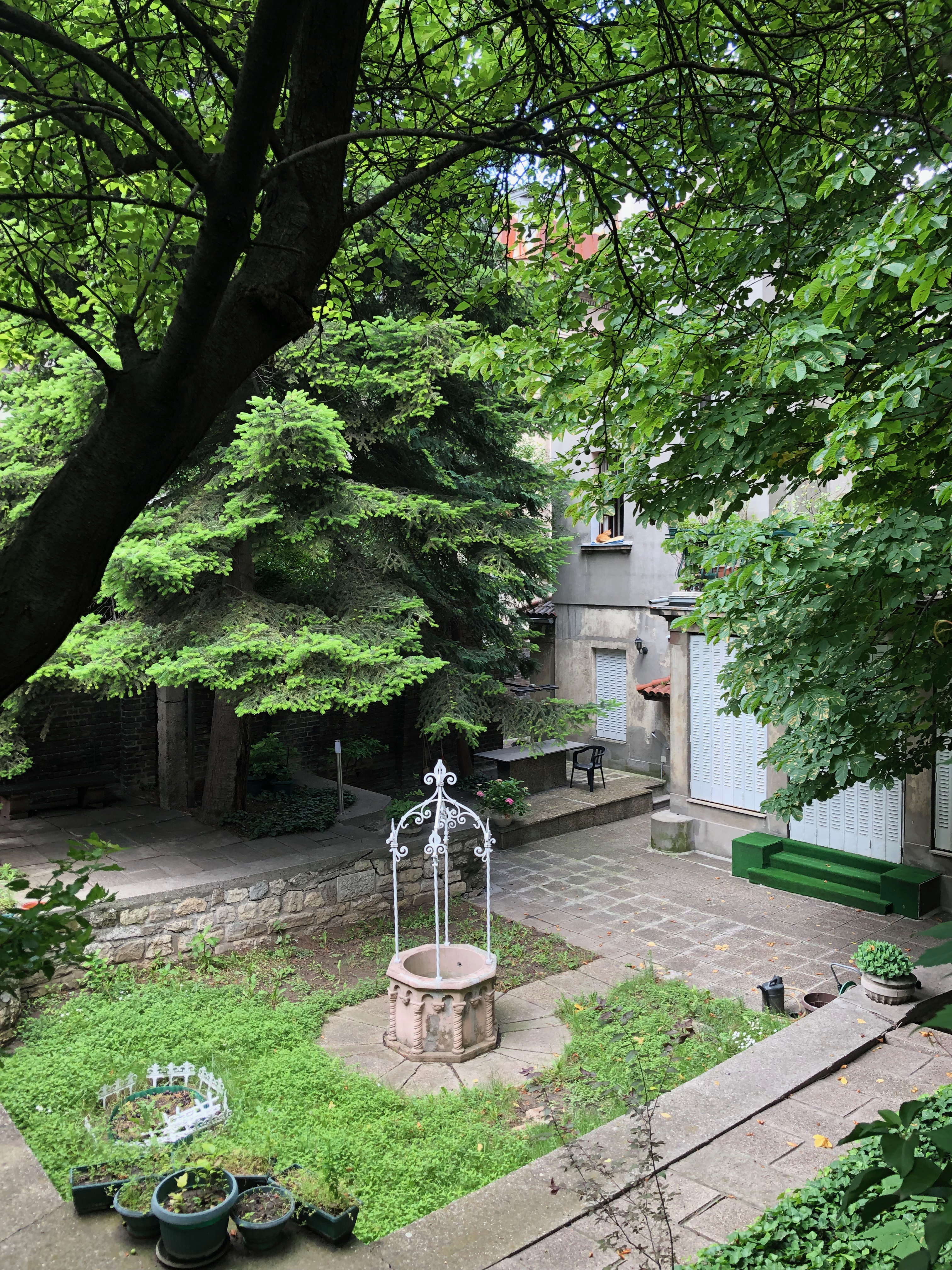
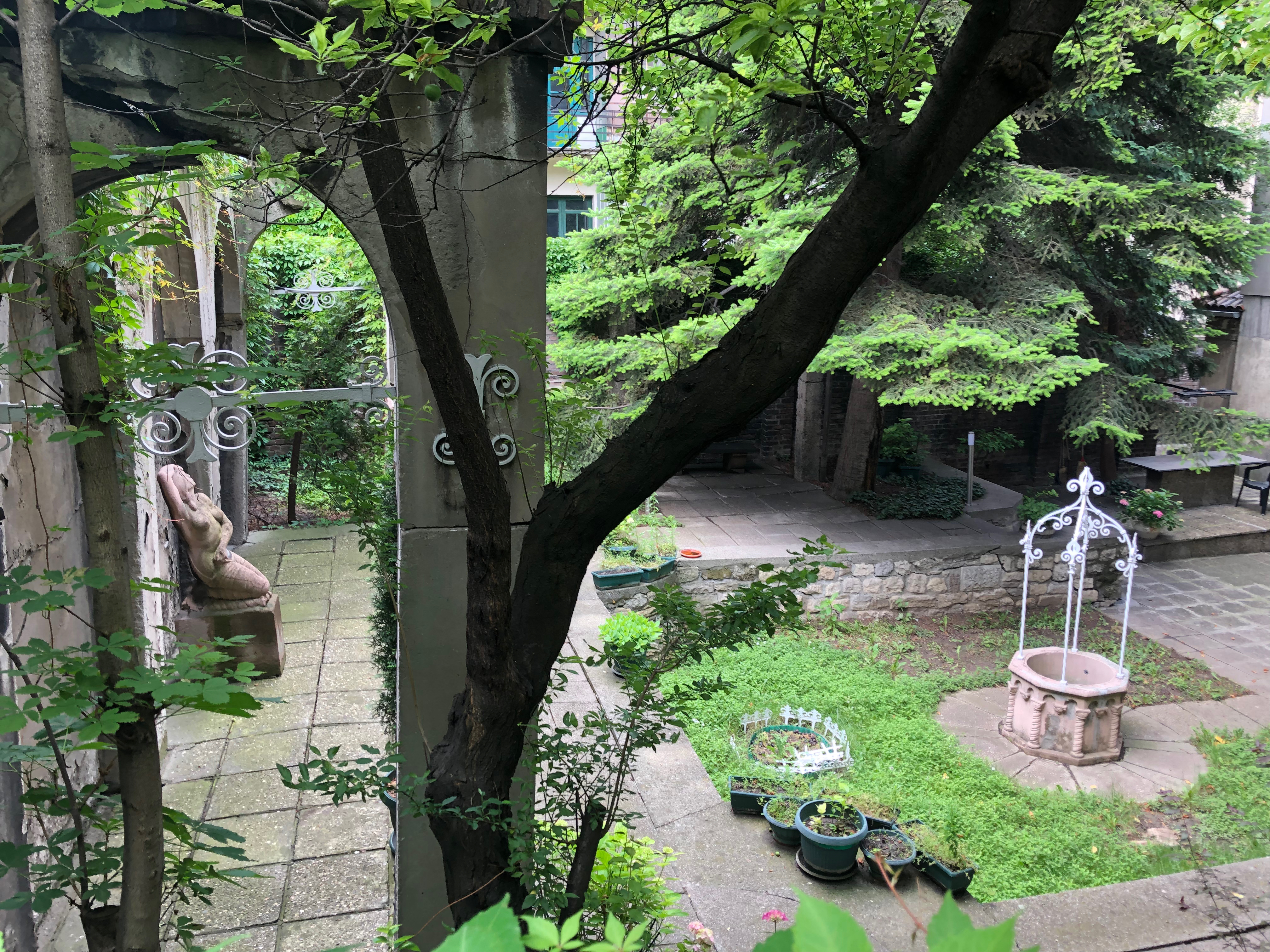
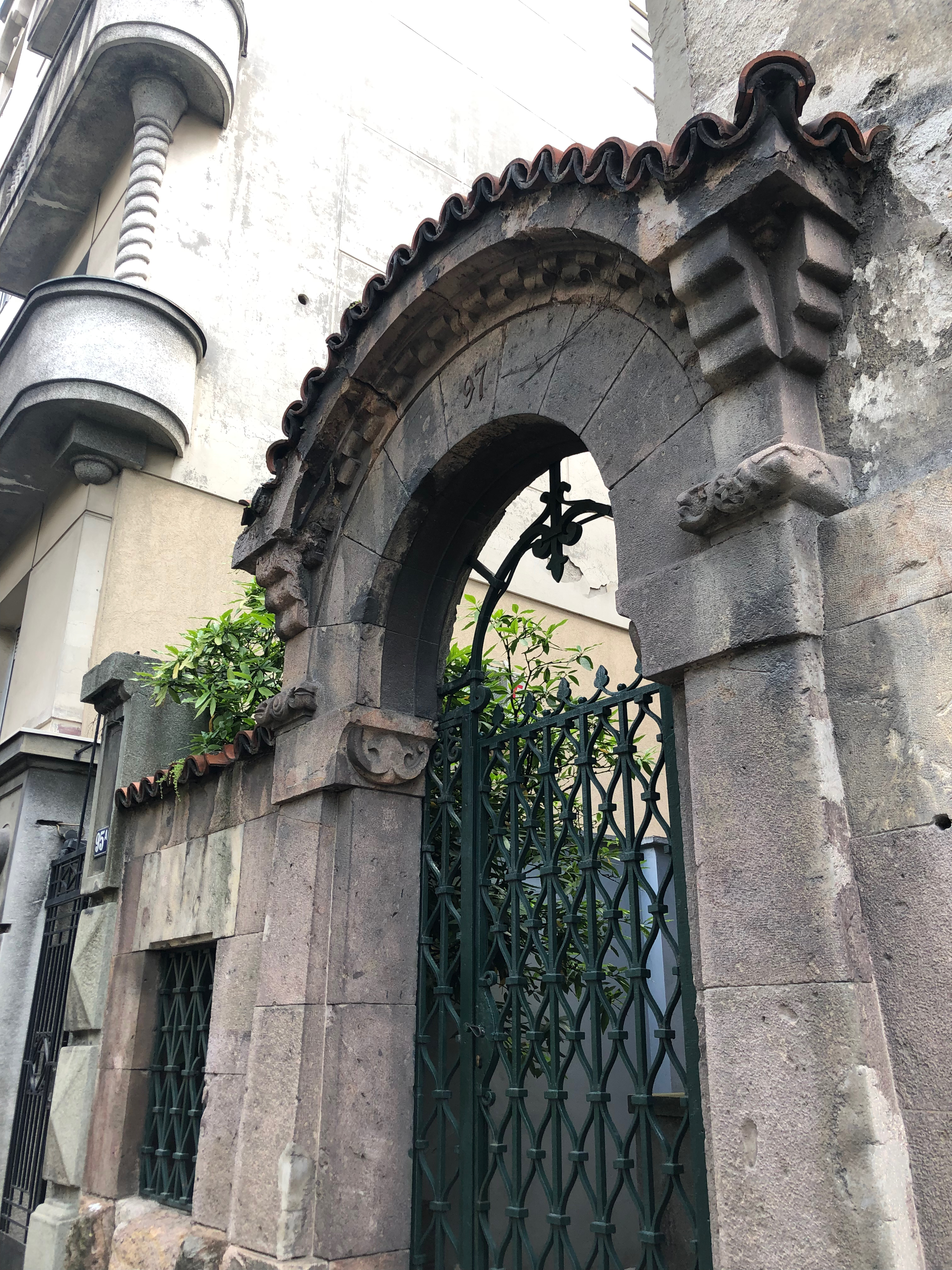
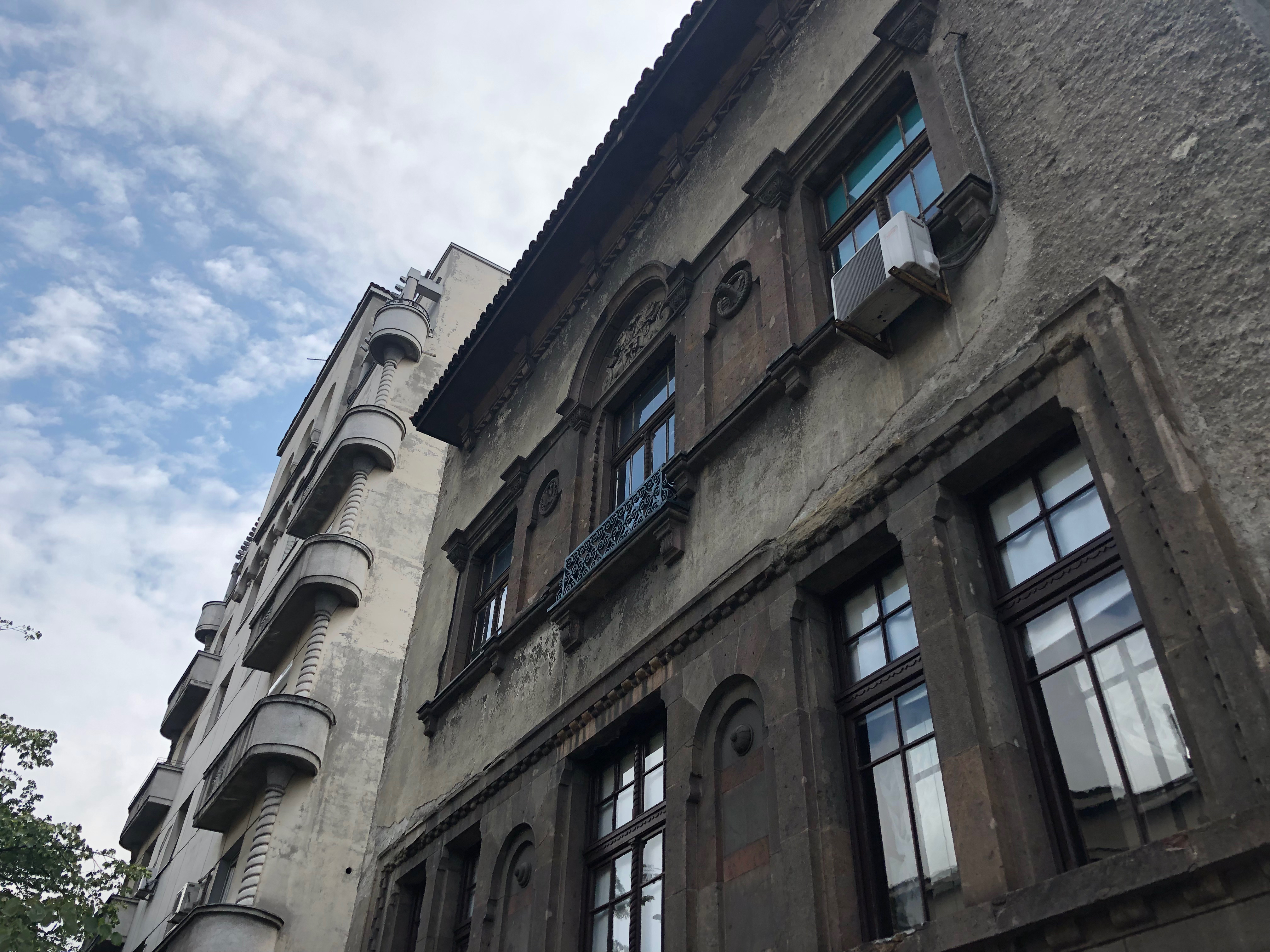
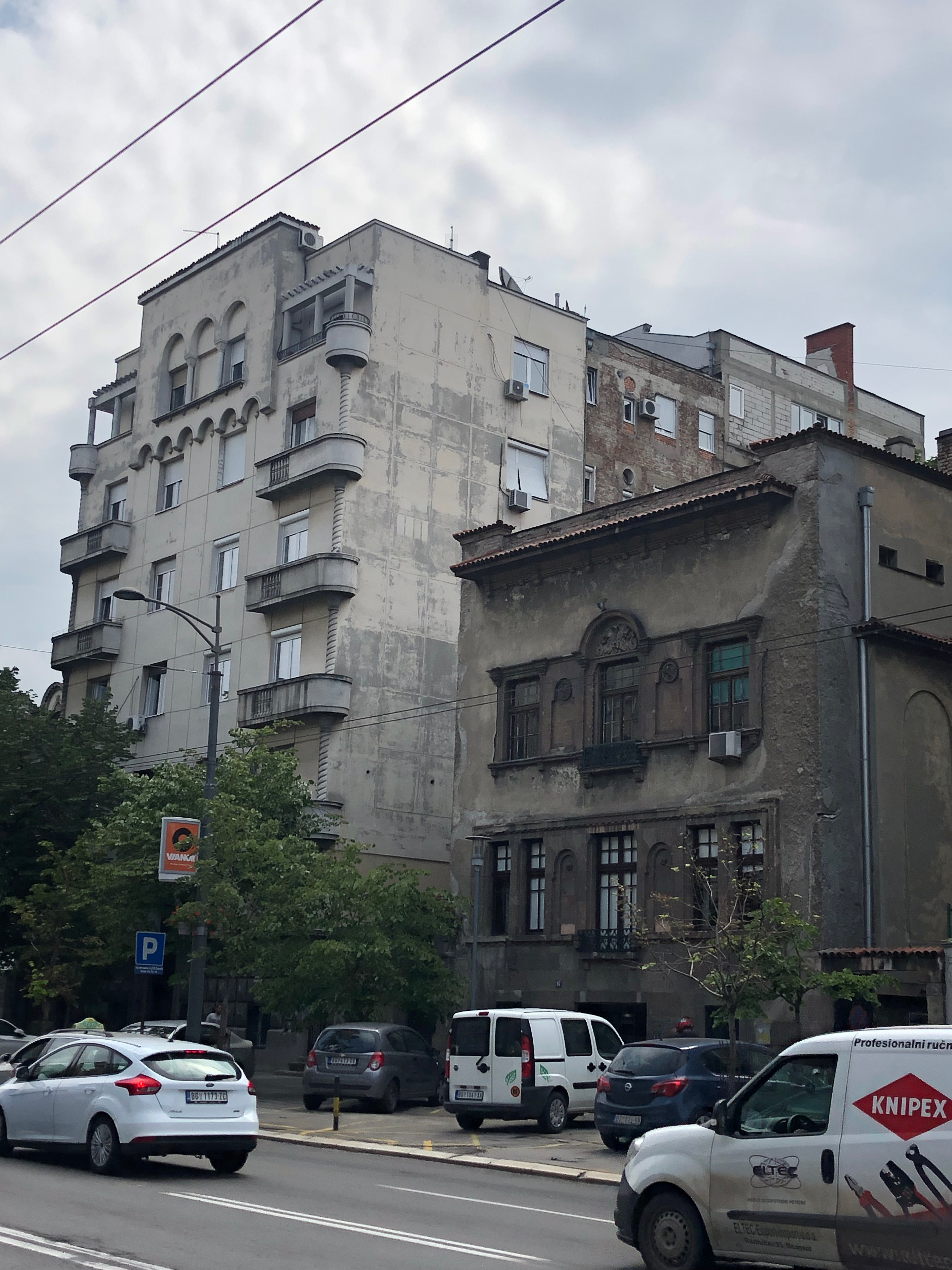
Bogdan Nestorović was far from a one-trick pony. Like Brašovan and other modernist architects of his era he was skilled in switching styles, and making harmonious historicist buildings. The most famous project of his is certainly the initial Neo-Byzantine design for St Sava church (which he worked on with Aleksandar Deroko), but his personal preference for whimiscal historicism can be seen in his own home, built at the end of Kneza Miloša street. The villa has one of the prettiest gardens in the city, and is still owned by the family (Nestorović did not receive notable commissions in SFRY but continued teaching until his death in 1970s).

The Nutshell Times is an independent project and a work of love – but it still requires money to run. If you like the content you can support it on Paypal or Patreon.