

Having passed by it regularly on my runs and cycling routes, I was happy to see Ložionica, the new creative hub on the site of the old coal roundhouse, grow. I even felt pride as it was being built based on the design of my friends Anđela and Vladislav from Studio AKVS; this pride by proxy may be since in high school, I had Anđela to thank for many of my better grades (yes, I cheated occasionally), but also may be because it was a testament that people of my generation are starting to make a significant and monumental mark on the city.
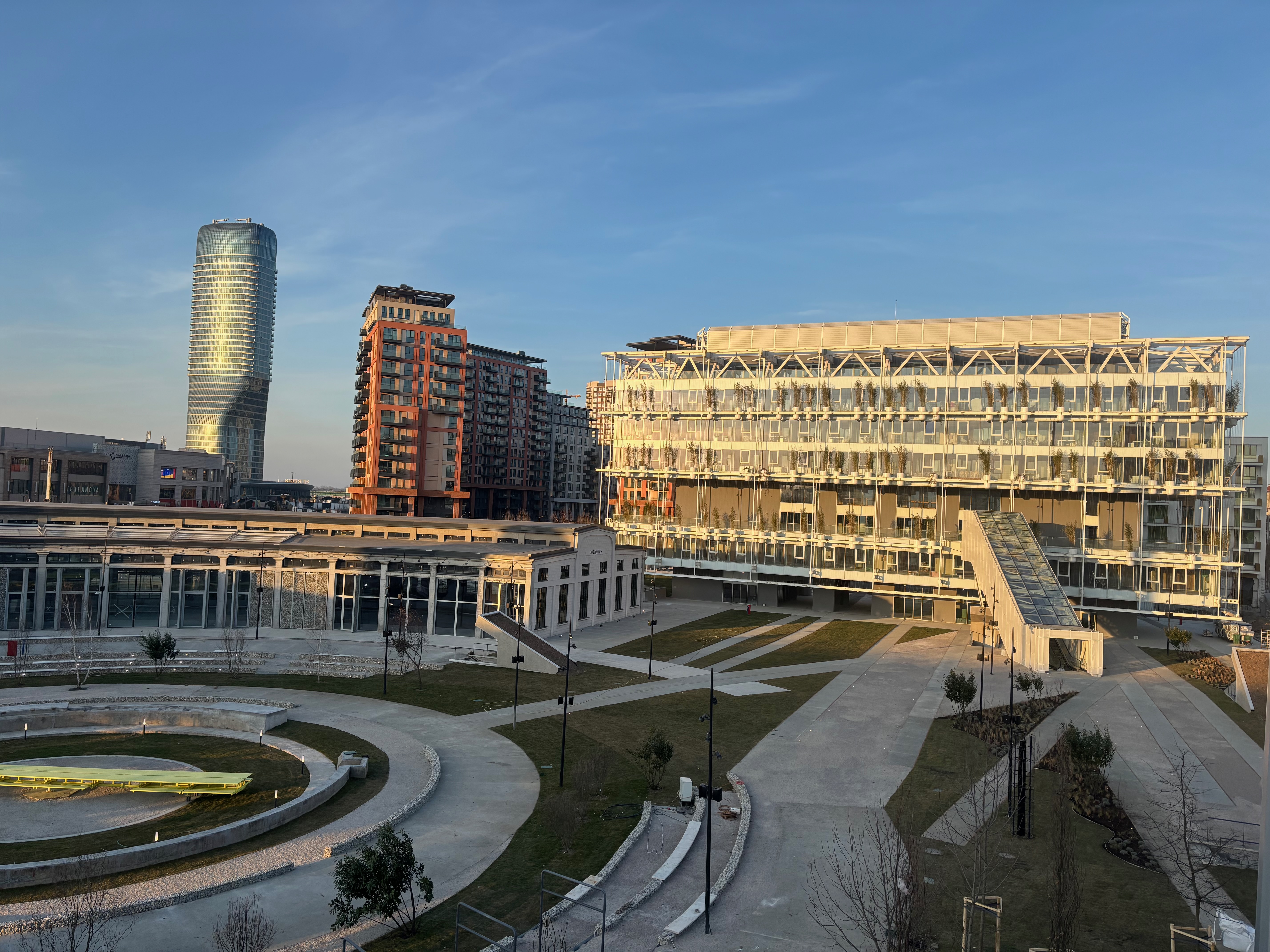
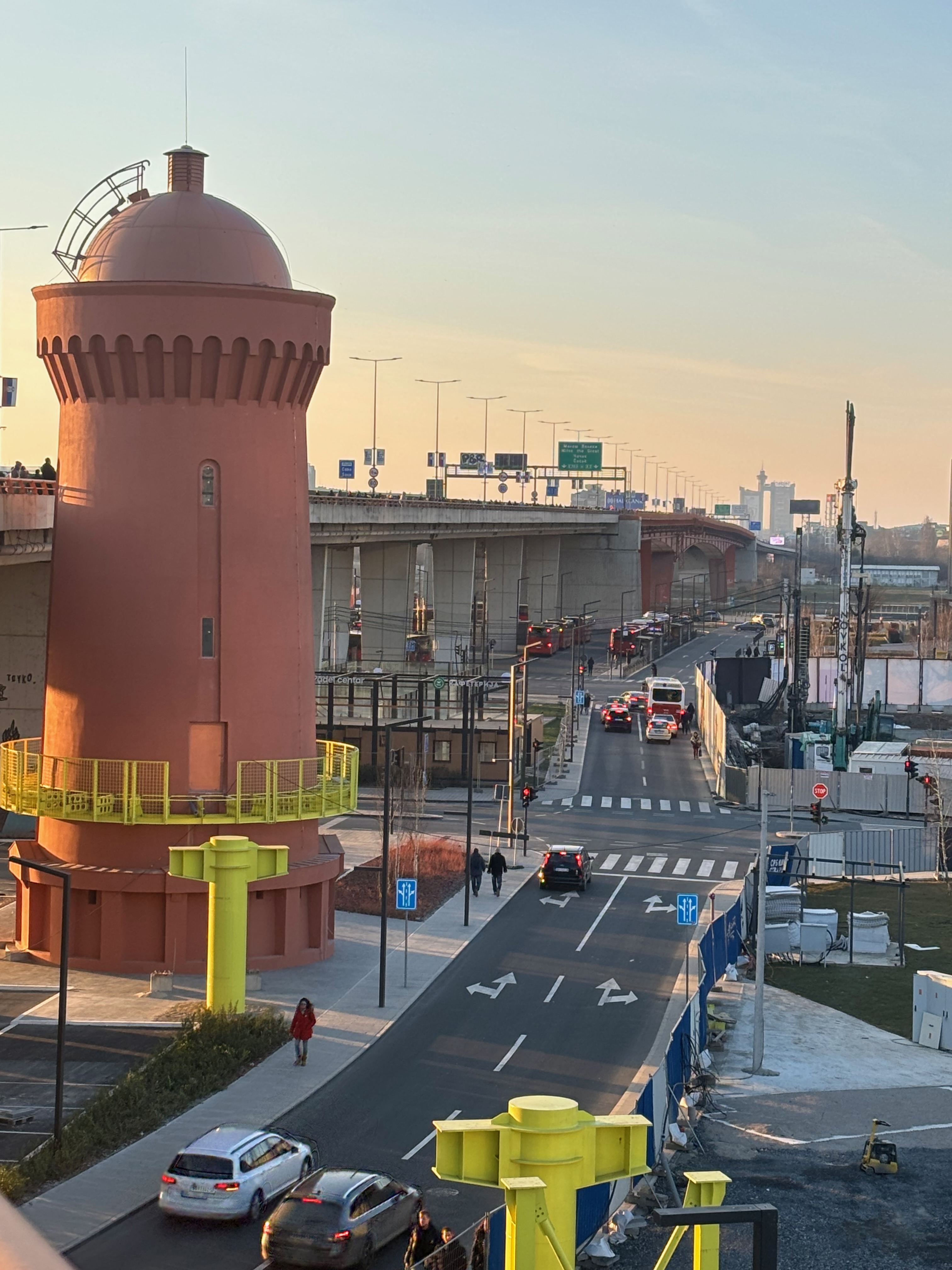
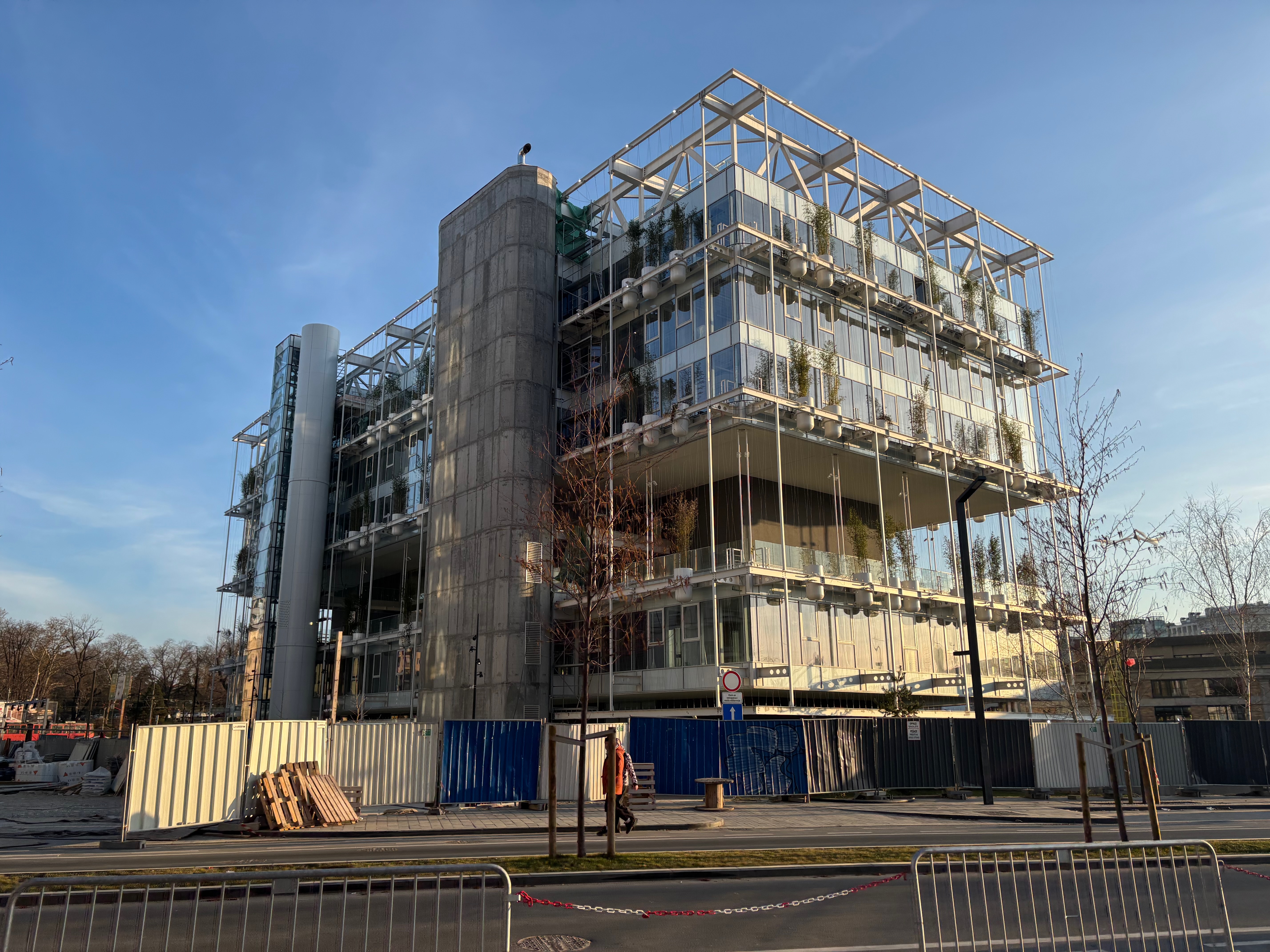
The project included the restoration of the old water tower and roundhouse, as well as the construction of a new office building. For me, this building has a striking resemblance to Richard Rogers/Renzo Piano’s Centre Georges Pompidou, albeit greener, thanks to the bamboo forest that will cover its facade. Ložionica is set to open this summer and is one of the many projects slated to transform Belgrade, enriching its cultural scene with museums and performance venues ahead of the 2027 Expo, which had launched a significant investment cycle.
While projects in Serbia tend to be delayed, altered, or canceled, being overly enthusiastic about the future carries a risk of disappointment. Above that, there is nothing that the local scene enjoys more than putting any cheerleaders over the rakes, apart from maybe writing derisive pieces about anything being built (to appreciate how long this tradition is read what was written about St Mark’s church at the time of its construction).
However, it is still important to shout out good ideas even if they may not (fully) be realized. The headline-grabbing Zaha Hadid Architects’ project for relocating the Nikola Tesla Museum to the old paper mill founded by Milan Vapa (one of the tycoons of pre-war Belgrade) will hopefully provide this popular museum with much-needed space as well as a sufficiently futuristic, Tron-like, setting. While the previous plan of adapting the old art deco “Strength and light” power station in Dorćol would have made more sense given Tesla’s reproach, the new, more accessible location, as well as support from Belgrade Waterfront, probably made this project more viable.


The Amanda Levete Architects (AL_A) (in collaboration with local studio Zabriskie) design for the Belgrade Philharmonic in New Belgrade appears to be on hold. However, it is among the most elegant solutions, mainly thanks to the idea of incorporating a pond as part of the project. Another great idea, which seems to have been getting little attention recently, is the much-needed Museum of Vinča civilization at the Belo brdo archeological site, again designed by Studio AKVS referencing the old houses on stilts that lined the Danube in prehistoric times.


The more likely major and good projects to see the day are the National Stadium in Surčin, the Museum of Belgrade, and the reconstruction of the old Post Office, a repurposed cultural center designed by Momir Korunović.


The National Stadium was designed by Fenwick Iribarren architects, who made global headlines with their sustainable designs for the World Cup in Qatar. The studio has already left its mark on Belgrade with the design of Sava Square (which is yet to attract crowds), and its stadium will be a much-needed world-class arena that will enable Serbia not only to indulge its masochistic love of football but also attract major musical acts. The forest motif may be modish, but seems actually pleasant.
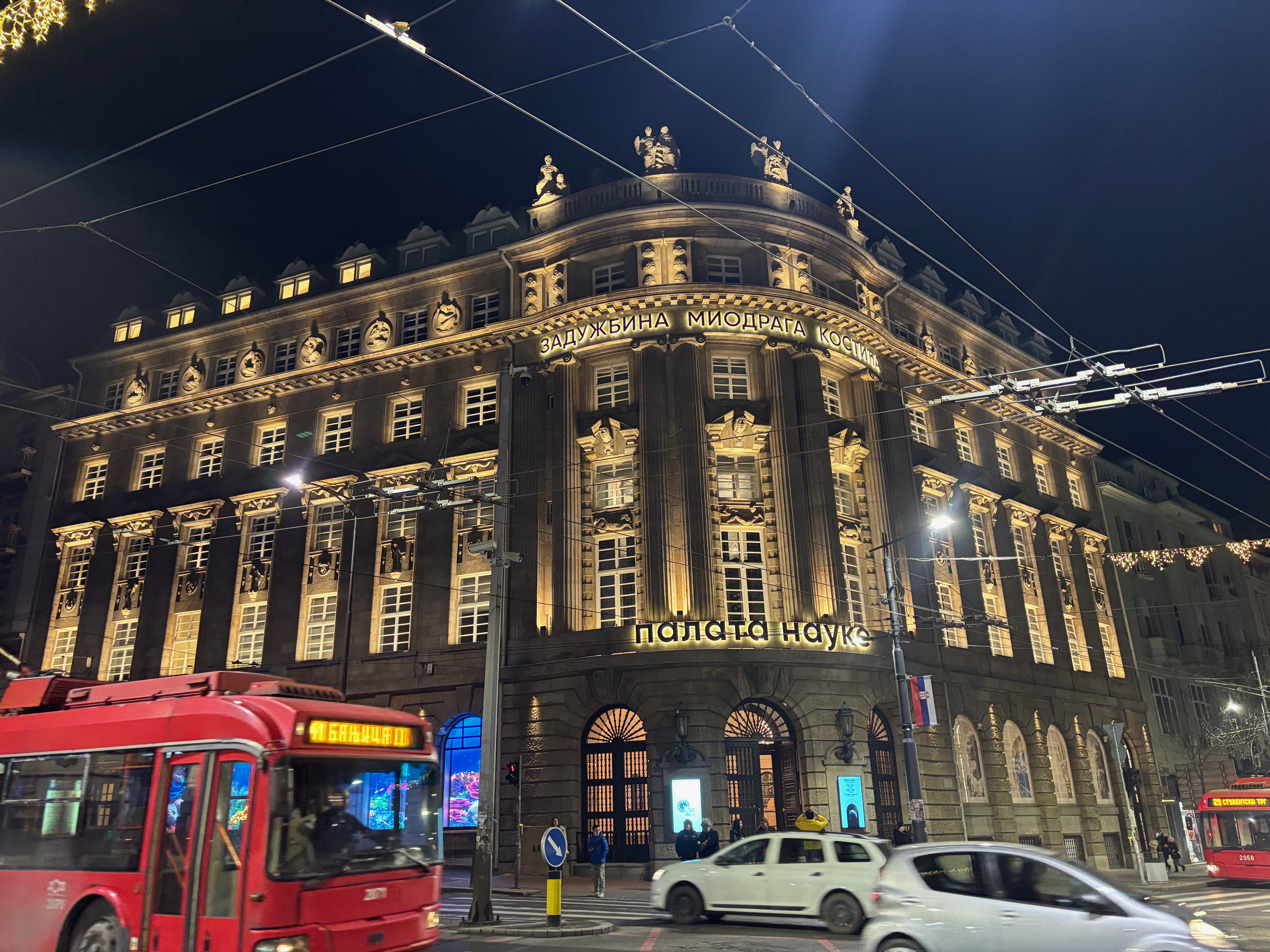
The Museum of Belgrade will be housed in a repurposed 19th-century military academy, and the local veteran architects from Biro.VIA head the project. They has already proven their ability in restoring monumental buildings for exhibition spaces in the case of the building of the old Adriatic Bank and fitting into it the recently opened, superb Palace of Science.
The restoration of Korunović’s post office will be more challenging, but it will reveal whether Belgrade can aspire to follow Budapest in reviving its old, destroyed architectural heritage. Korunović’s grandiose, national style will stand in stark contrast with the current, mostly unimaginative architecture of the area. It will hopefully reinvigorate the next generation of architects to learn from the greats of the past.
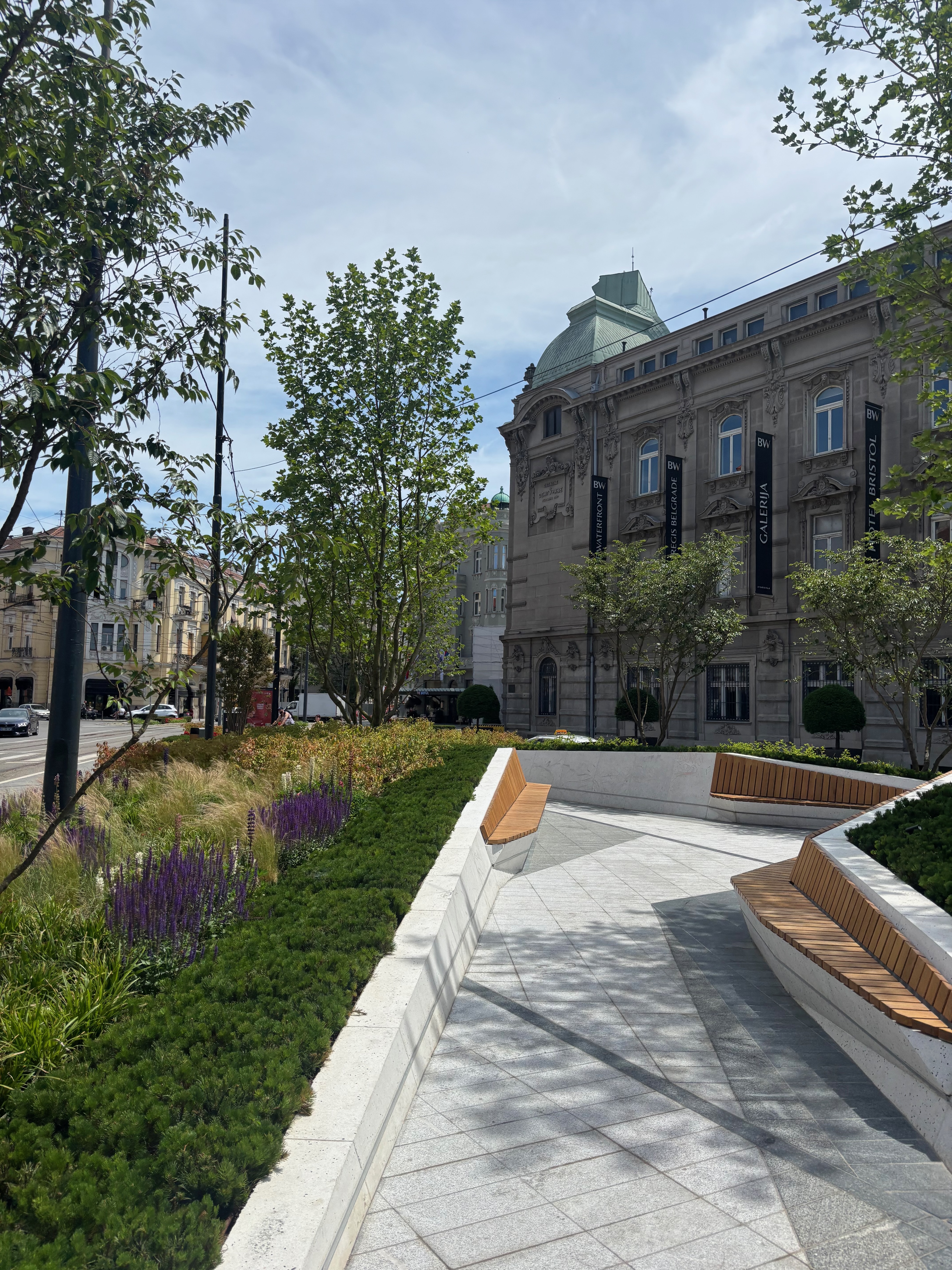
This would be especially important as some of the most successful recent architectural additions to Belgrade are reconstructions. Hotel Bristol‘s facelift not only made it a rare fancy hotel with charm in the city but also attracted some of the city’s leaders in hospitality (La Boulangerie) and retail (Metropolis perfumery) to show off. This historic hotel, once famous for hosting the Rockefellers and guests on the Orient Express and beloved by my generation for its cheap beer hall and fried fish, is set to go global as part of a new luxury hotel chain, “The Bristol” which will open from Morocco to Ethiopia.
Similarly, the recent superb reconstructions of several gates (Zindan, Sahat, Carl VI, and now Vidin Gate) of the Belgrade Fortress not only give it a fresh sheen but also allow us to see our heritage, which we were once accustomed to being filled with trash. While it would be better if these spaces were used more creatively than torture museums, rarely opened galleries, and trinket shops, they are still much better than what they were.
Last but not least, the reconstruction of the parts of the fortress close to the Danube, thanks to the linear park project, shows that this much-needed project will be built and provide Belgrade’s runners and cyclists around 5km of paths between the fortress and Pančevo bridge to dodge badly behaved pet dogs and their owners. The project, in the current phase, will also finally develop the unsightly mud field between Dunavska and the Dunav quay into a park, although I would have preferred it to be a bit less designed, a bit more wild (a bit like the Limmat quay in Zurich). The subsequent parts of the project will be tied to the development of Marina Dorćol (a truly stunning, green luxury residential development designed by Stanislav Fiala and Jelena Kuzmanović) and the somewhat hit-and-miss K district and Novi Dorćol (nice when inside, a bit eye-soreish from the outside). Belgrade Waterfront also hinted at extending the park towards Ada and restoring the old railway bridge into a Heatherwickian fantasy.
While many of these projects sound far-fetched, given how much (and for the better) Belgrade has changed in the past nine years since I returned from the UK, I hope some of them will happen. Back in 2016, projects such as Zabriskie’s great Revolucija were far from what was done in the city. Back then, crucial cultural venues, the National Museum and the Museum of Contemporary Art, were shuttered, and nobody had hope of seeing the Church of St Sava with a completed interior. While I was initially vehemently against it – in large part because I was unsure that it would be built – even Belgrade Waterfront helped the city feel larger thanks to its promenade, the mall, and housing many people who want to live in Dubai-style residences, which are becoming more popular across the world (see Battersea in London and Riga Waterfront plan).
I can only hope that AKVS and Ložionica will pave the way for not only local architects but also millennials in general to dream big and make the city even greater than it ever was. Maybe we even get that metro by 2030…